3 Simple Tips To Make Scandinavian Minimalism Work In Your Home
A cheat sheet on how to do Scandinavian minimalism in your Singapore home
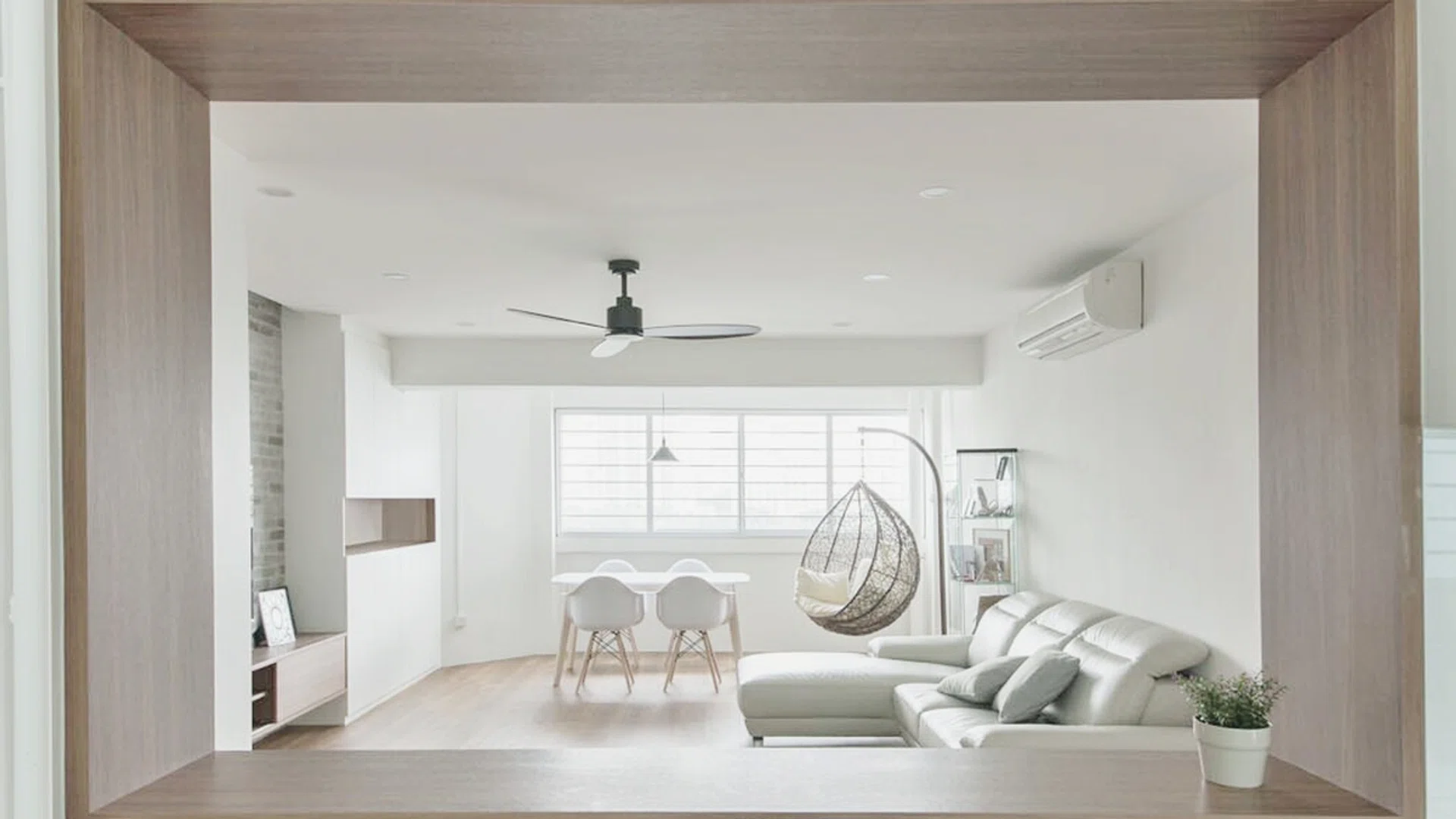
The Merriam-Webster dictionary defines minimalism as “a style or technique (as in music, literature, or design) that is characterised by extreme spareness and simplicity.” Note that the word ‘extreme’ may translate to different things to different people, especially when it comes to designing a home.
Because of its extreme simplicity, minimalism tends to highlight the architectural shell of a space. But the design of the home has everything to do with how we live inside the space, which places equal importance to both the architectural shell and the content of the space.
Hence, design scenes around the world have their own unique take on minimalism at home. Here we take a look at how Scandinavian minimalism can work in your home.
First off, let’s get this out of the way: not all Scandi-style interiors are minimalist interiors, although the two share many common traits. Hygge, the Danish loanword that now has an established placed in the international design lexicon, which means cosiness that engenders a feeling of contentment or well-being, is one of the key objective of Scandinavian design, which, when paired with minimalism, has resulted in a chic and cosy look – simple but not cold. Thus, Scandinavian style has sort of become a shorthand for creating a softer minimalist look.
Softly curving elements in furniture lends warmth to an otherwise stark minimalist room. Keep these curving elements free from ornaments or patterns to keep the whole look pared down.
Keep your colour palette to neutral shades of greys and off whites. Add light-coloured natural materials like pale wood or stone for more personality. Scandinavia is a colour-shy region, but it’s not colour averse, so muted colours like dusty pink or pale mint green are permissible but stick to one and two and use sparingly.
Textures are crucial in achieving hygge in your design. So be liberal in adding soft furnishing like throws, cushions and curtains with pronounced textures. Stick to neutral shades and tone-on-tone muted colours to keep the look clean.
Text: Asih Jenie/Home & Decor