How To Explain Racial Harmony Day To Kids (Beyond Dressing Up & Trying Ethnic Foods)
Racial Harmony Day is more than just a one-day celebration in school
By Nikki Low and Michelle Lee -
Share this article
Every year on July 21, Singapore celebrates Racial Harmony Day to celebrate the multicultural ties between Singapore's diverse mix of races.
While many adults might not celebrate the day anymore, it remains significant for us, reminding us of the importance of strong racial ties. Every Singaporean child who has gone through the education system would have similar memories of Racial Harmony Day, whether it is the vibrant outfits or the performances put up by students. My own memories of my school celebrations include sampling foods from different cultures at makeshift booths and enjoying nostalgic treats like ice balls. Fun as those celebrations were, they were only a small part of what Racial Harmony Day is meant to represent.
Even today, it remains an important school event and all schools in Singapore are required to commemorate the day through activities and discussion sessions.
How it all began
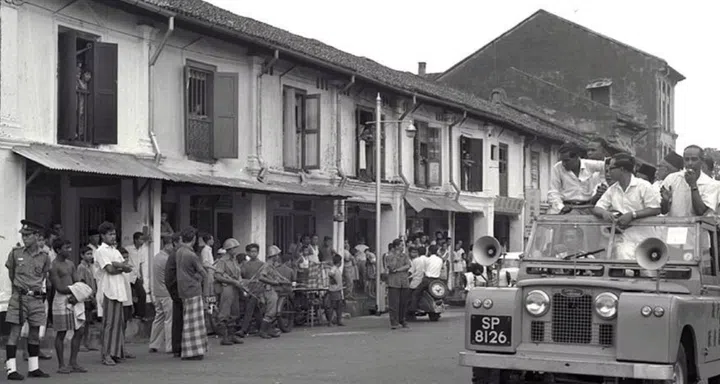
Racial Harmony Day was launched in 1997 by the Ministry of Education (MOE) as part of the National Education curriculum. Most may think that the 1964 racial riots are the sole reason behind celebrating this day. However, the actual reason was that MOE decided to educate their students on the history of Singapore. As such, then Prime Minister Goh Chok Tong decided to develop a new programme known as National Education to foster a better sense of understanding of the country’s history.
July 21 was chosen as the date for Racial Harmony Day to commemorate the day when the communal riots broke out. On July 21, 1964, 20,000 Malays gathered at the Padang to celebrate the Prophet Muhammad’s birthday. While singing and celebrating the religious event, a glass bottle was hurled into the crowd, causing someone to be hit. This led to tensions between the Chinese and Malay groups, and the conflict quickly turned violent. With word of the riot spreading across the island, more people joined in, resulting in fights across the country. It soon spun out of control, and the entire police force and armed forces were activated, causing an island-wide curfew to be set. (Source: SG101)
Going beyond what is taught in schools

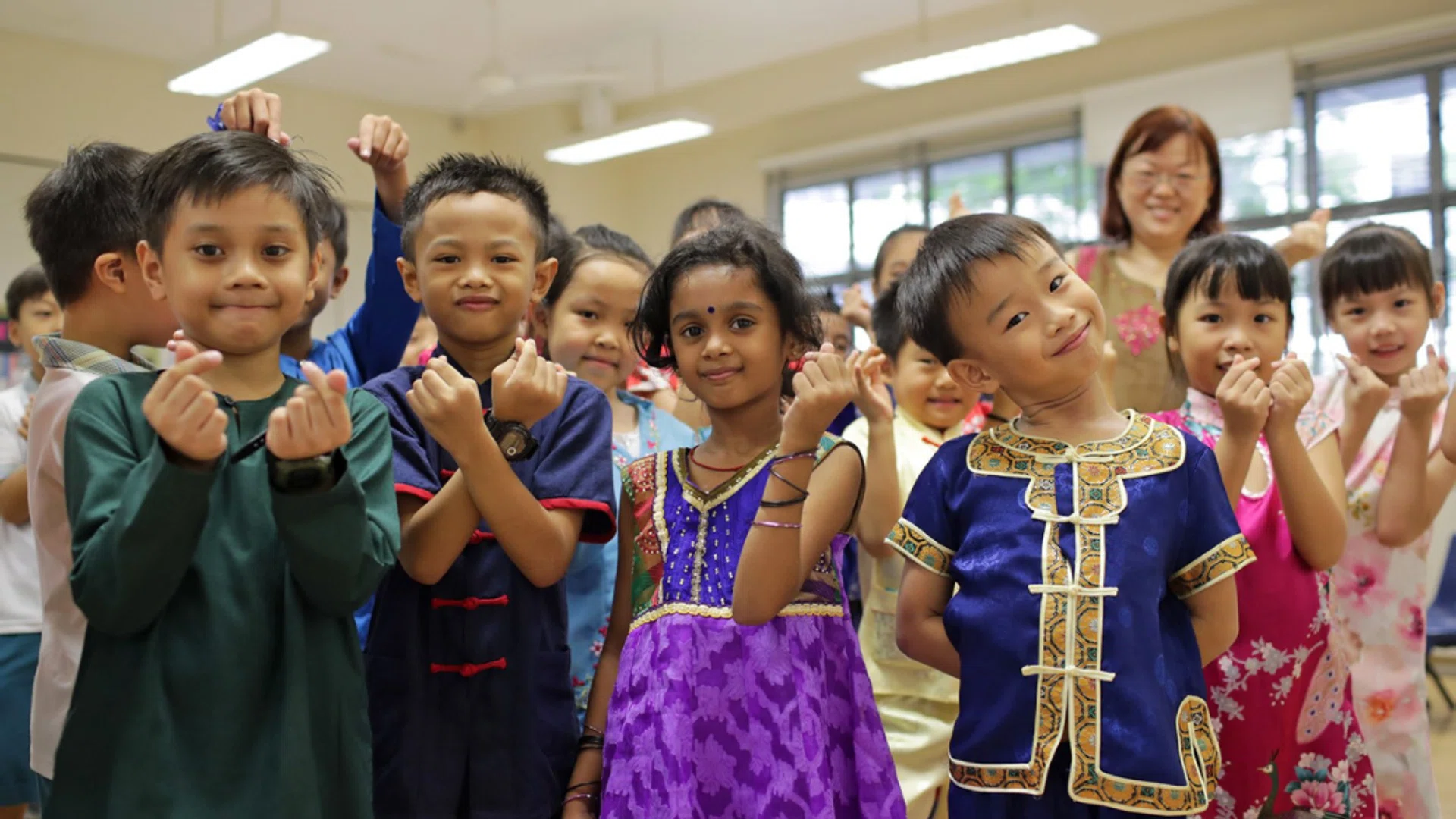
What do you associate with Racial Harmony Day? For most children, it probably feels like just another exciting school celebration – playing dress-up with traditional clothes such as the Chinese cheongsam, the Malay baju kurung and the Indian saree, and devouring traditional ethnic snacks. Year after year, schools include explainers of this day during assembly talks or organise skits, hoping to instill understanding in their students. But understanding Racial Harmony Day goes beyond dressing up for the occasion and having a superficial grasp of each other’s culture for a day of the year. It involves more than being merely tolerant of each other and our practices.
The definition of racial harmony is hard to grasp and even we adults might not have a clear explanation for it. So, how can we explain these concepts to our little ones? Here are some ways that you can help your children better understand it.
Be their role model
Lead by example. For most young children, their beliefs and values are largely shaped by their parents. Hence, parents should be mindful of their behavior to ensure that the correct values are imparted to their children. A way to do this is to recognise your own racial biases to foster a home environment where children develop respect and understanding for other cultures. Also, address any prejudicial or racist remarks, or other forms of discrimination — by doing so, you're teaching them that such behaviour is not okay. Having your own racially diverse network also encourages your children to be open to diversity.
Tell stories
Practice sharing stories about incidents where acts of racism are exhibited. Use examples from Singapore and simplify your language to facilitate understanding. Take, for example, the high-profile incident that happened in 2021 where a former polytechnic lecturer was charged for making racist remarks towards an interracial couple. Explain why these acts are unacceptable and what they can do if they are a victim or bystander of a similar incident in school. Teaching them that the value of standing up for those who have encountered discrimination – be it informing a teacher or telling the instigator that they’re wrong –transcends merely co-existing peacefully with other races.
Encourage questions
Create a safe space for open discussions. Having frequent conversations can dispel myths and stereotypes as children are encouraged to think critically and challenge biased views. Questions can also promote a better understanding of other races leading to empathy and appreciation for diversity. With increased exposure to these ‘difficult’ conversations, your child will be more likely to stand up for their peers when needed. Nurture diversity and inclusion by engaging in, not avoiding, these conversations to achieve progress.
Encourage your kid to befriend those who are different and learn more about their cultures
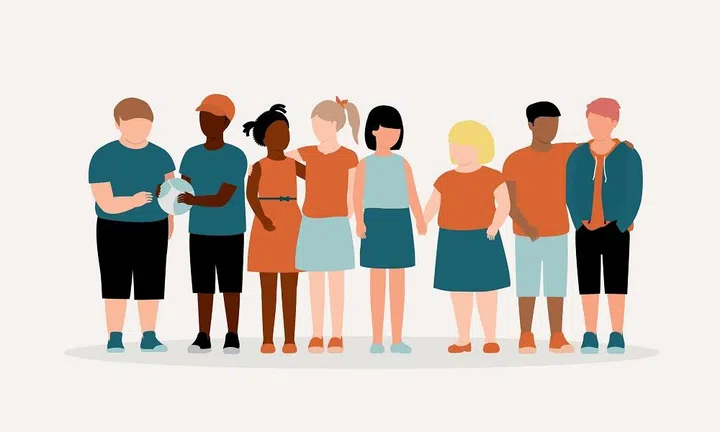
Expose them to media, art, toys (like dolls), and music that feature other ethnicities, races, and religions. Parents can create opportunities for children to make friends with those from different backgrounds by arranging play dates or group outings.
Additionally, encourage young ones to learn about the cultures and festivals of different racial groups. By engaging and immersing themselves in cultural celebrations such as Deepavali, Chinese New Year and Hari Raya, children can embrace and appreciate diversity.
Racial Harmony Day activities to check out
Various community centres around the island have racial harmony activities throughout the month of July. Those living in the central district can check out Tanjong Pagar-Tiong Bahru Community Resilience Day 2026, for instance, while those in the South West can participate in the Pioneer Zone 3 Racial Harmony Day.
Living in the North East region? Mark your calendar for the Sengkang East Racial Harmony Day 2026 or the Buangkok CC WEC Presents Racial Harmony Day Talent Time 2026.
This article was originally published on July 17, 2024 and updated on July 16, 2026.