How To Make Learning Mandarin Fun For Toddlers And Preschoolers
Train them to be effectively bilingual from a young age
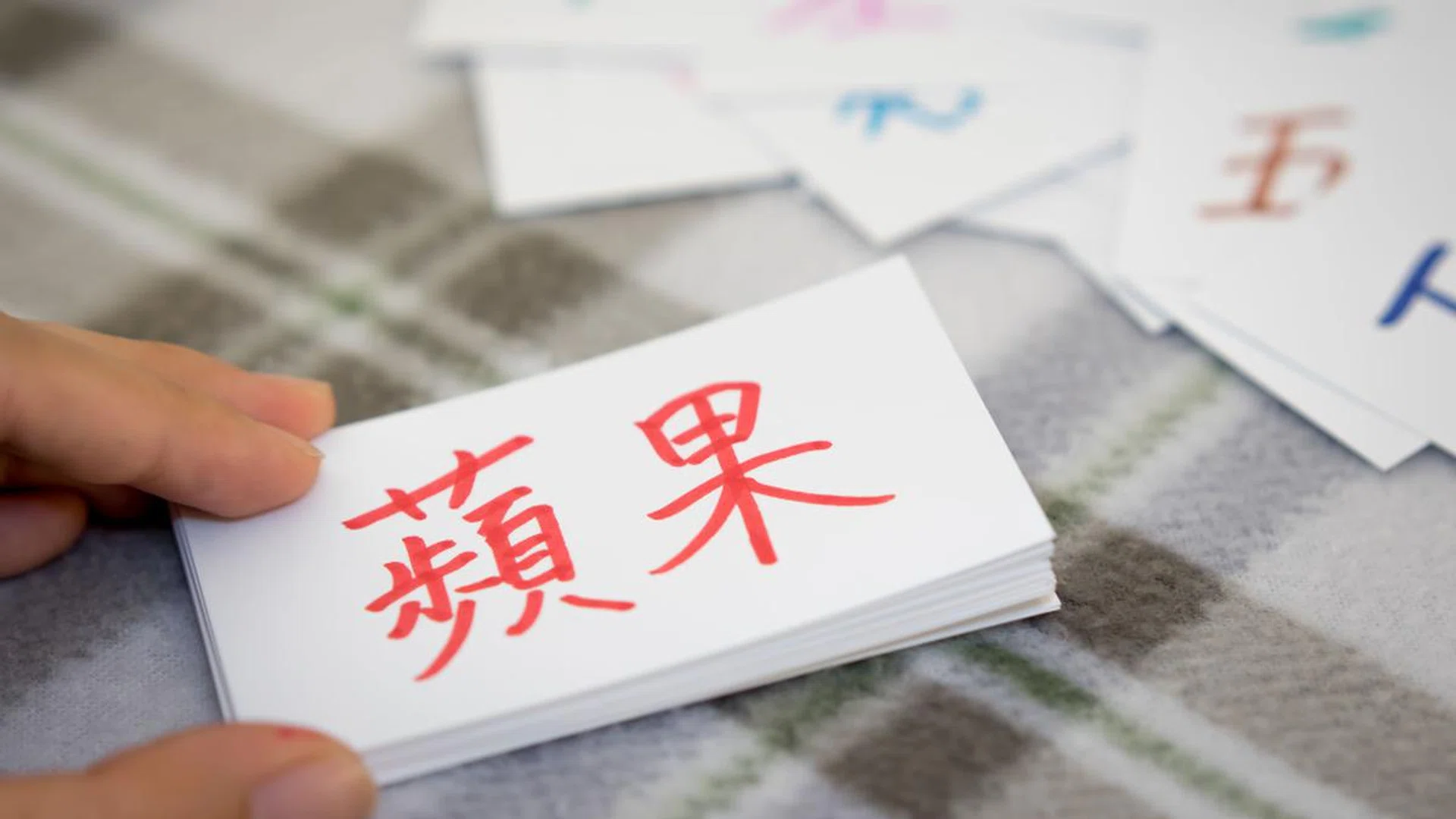
How many of you struggled with Mandarin when you were back in school? If you don't want your child to suffer the same fate, it is better to start equipping your child with the language capabilities from young, starting from the ages of toddlers to preschool. As most of our everyday activities are conducted in English, these formative years are especially critical to aid them to be effectively bilingual and have an easier time when they reach primary school and beyond.
Exposing your child to the language in every aspect of their daily life is the best way to ensure that they pick it up comfortably and easily. Labelling everyday objects in Chinese characters can help them to associate the former to the latter — such as pencil, table, chair, and even their favourite toy, shares Daphne Low, Principal of Apple Pie Language.
Music both excites and relaxes a child. As such, Chinese nursery rhymes enhance their listening skills and improves their pronunciation while keeping the environment lively.
The easiest way to fall in love with a language is by falling in love with its culture. Help boost your child’s interest in Mandarin by partaking in celebrations such as the Mid-Autumn Festival. It is also a good way to spend time together as a family.
The first step towards creative learning involves special classes such as speech and drama or holiday camps that aim to spark your child’s curiosity and ignite strong interest in Mandarin.
Read aloud Chinese storybooks together as a family – it enables your child to associate characters with voices and emotion. Let them pick the book to read and they will look forward to every trip.
Help stories last by getting your child to act out or draw their favourite characters. All this allows them to express tone and emotion in Mandarin. What’s fun too: Make finger puppets with them and create a story out of these characters.
On the way to the museum or dinner at a mall, challenge your child to speak Mandarin for the next hour, for example. Communicating with your child in the language motivates them to think of what to say and how to say it, which helps develop speaking ability.
Fun is a significant aspect of every childhood. Adding a Mandarin twist to games like Snap can double as enriching family bonding time.
If Queen Elsa is the Disney character that captures your child’s attention, ask them to watch the music video in Mandarin. Focus on what your child is interested in and the love for the language will naturally grow.
Opting for the Mandarin versions of ‘What time is it, Mr Wolf?’ and ‘Eagles and Chicks’ (lao ying zhuo xiao ji) during playtime at the park can advance your child’s love for the language. The physical and verbal aspects of outdoor games develop their ability to associate words with actions, making learning fun and engaging.
This article was first published in Young Parents.