Darren Lim’s Not Leaving An Inheritance For His Kids: “I Don’t Want To Make Them Lazy”
If any of his four children want a car and a house, they’ve gotta work for it themselves
By Lyla Lee -
Share this article
A house from mum and dad? A car? Actor Darren Lim has already made his position clear to his children.
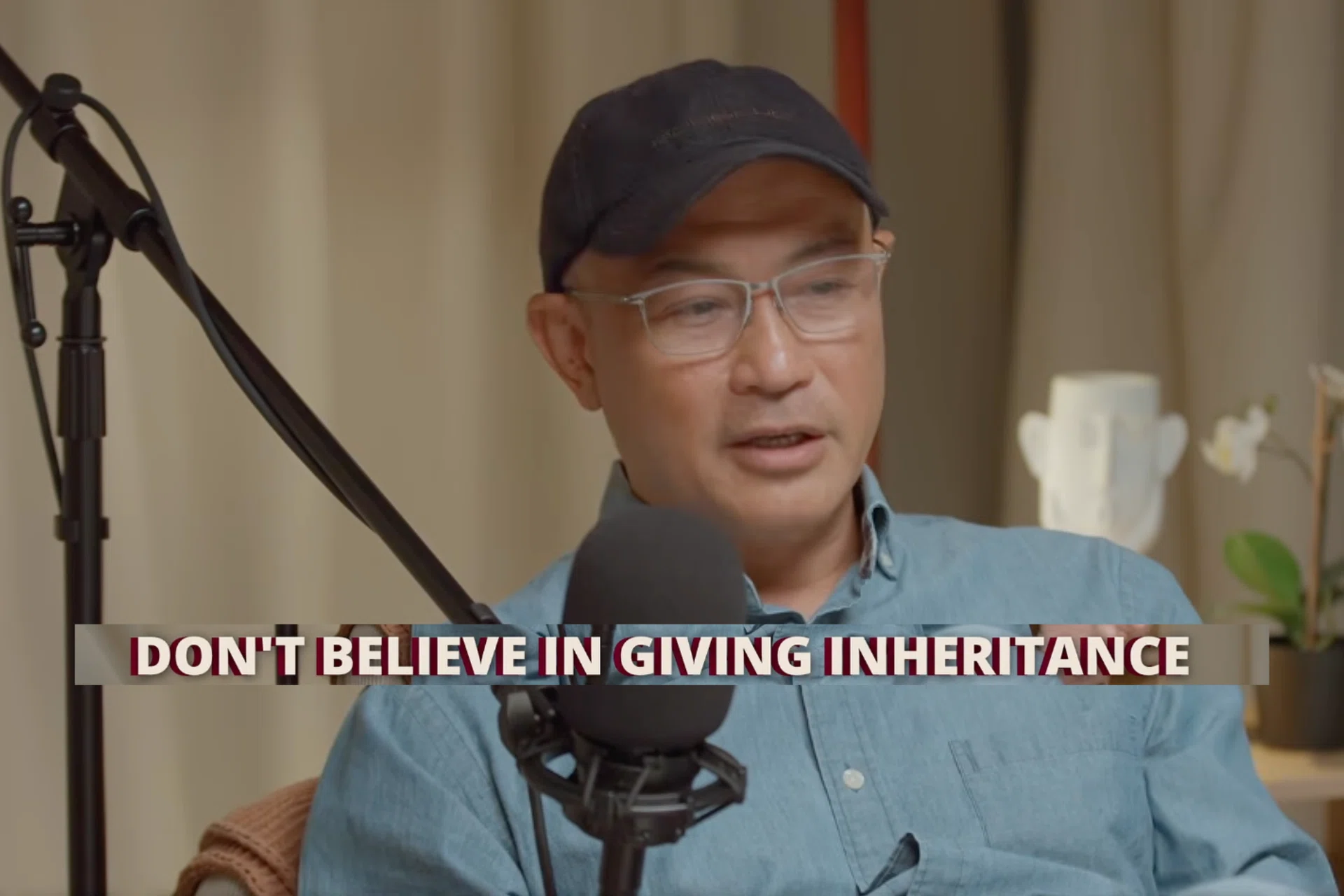
“I don’t believe in leaving things behind for our children. I don’t believe in giving them an inheritance. I don’t believe in buying a house for them, or buying a car for them,” Darren said on the second episode of his wife Evelyn Tan’s podcast, Fine Whine, featuring candid conversations about life after turning 50.
Evelyn recalled being surprised by her husband’s views when they first discussed what they would leave their four children — Kristen, 21, Jairus, 19, Way, 16, and Elliot, 12.
“Every single cent that they earn will become sweet”
The 54-year-old wants his children to experience the satisfaction of earning enough to pay for the things they want.
“I don’t want to make my children lazy, and I think I should not deprive them of the opportunity to really work hard for themselves, and then every single cent that they earn will become sweet,” he said.
Evelyn, 52, described herself as more traditional when it came to inheritance. She had questioned whether it would be good to have something set aside for the children.
Darren stood by his position.

Evelyn eventually came round to his thinking.
“The fruit that you pick for yourself always tastes better, right? Rather than having it served to you on a plate,” the actress-host agreed.
Darren said they had told the children from a young age that Mum and Dad would eventually pursue their own plans.
“And you cannot depend on us anymore,” he said.
As for what happens to any money left over, Darren is happy for them to have it. “Whatever I have not finished using, whatever is left over, divide it into four and then they can have it,” he said.
So, maybe there’ll be an inheritance after all. Just don’t count on it covering a condo.
Even $2 gets a second look
The couple’s approach to money also comes up in everyday purchases.
Evelyn recalled asking Elliot to buy something, then checking prices online when he told her how much it cost. After comparing options, she found one that was about $2 cheaper.
Elliot questioned whether the saving was worth the effort. Evelyn asked whether he needed the item immediately. If he could wait, she reasoned, they could save the money.
The exchange prompted a discussion about how small savings add up, and how money managed carefully could be put to better use elsewhere.
“So if you know how to manage the smaller amounts, then bigger things can come to you, and you can manage them well as well, right?” Evelyn said.
The couple watch their own spending, too. Both are freelancers without a fixed monthly income, and quieter periods at work bring financial uncertainty.
“So we have to be very, very careful with the way we spend money because during the ups, we cannot feel too happy and then start splurging,” Darren said.
During leaner periods, they also try to avoid becoming so anxious that they feel unable to spend on anything. They said they have savings and still live comfortably, but remain conscious of how long that money needs to last.
Among their recent decisions: giving up their car.
Their retirement, their responsibility
Darren and Evelyn also plan to take charge of their own retirement, rather than relying on their children to provide for them.
“We are not expecting [the kids] to look after us. We need to steward our money properly so that we don’t burden them,” Evelyn said.
However, Evelyn clarified that they still hope to have their children’s support when they are older. Having cared for them through childhood, they hope the children will care for them in turn.
Darren added that they have not attached a fixed figure to that support.
He said: “But we don’t put a number to it because otherwise, they’ll be under a lot of stress.”
They recognise that their children will face different circumstances in adulthood. Their intention is to look after themselves for as long as they can, with the children doing more when they become too old or frail to manage.
One retirement plan is to move onto their boat once the children leave home, using rental income from their house to help cover living expenses and maintenance. Darren would handle much of the upkeep himself. They hope to live simply and are open to downsizing their home after their boating years.
What would leaving a bigger inheritance cost them now?
For the couple, building a bigger inheritance could mean spending more time at work and less with their children.
“Do we have to work extra hard then to get them that house? Or to give them more?” Evelyn asked. She questioned how those extra hours would affect the meaningful time they could spend together as a family.
“You don’t want to give them so much materially that you lose them emotionally,” she said. “At the same time, you also don’t want to be there all the time for them, but then you leave nothing behind for yourself, even for your retirement.”