My Son Is Autistic. His Brothers Need To Feel Seen, Too
Mum-of-three Caryn Lim is raising an autistic son, six, and four-year-old twin boys. She reflects on why her younger sons shouldn’t always have to be the understanding ones – and how to make room for their feelings
By Caryn Lim -
Share this article
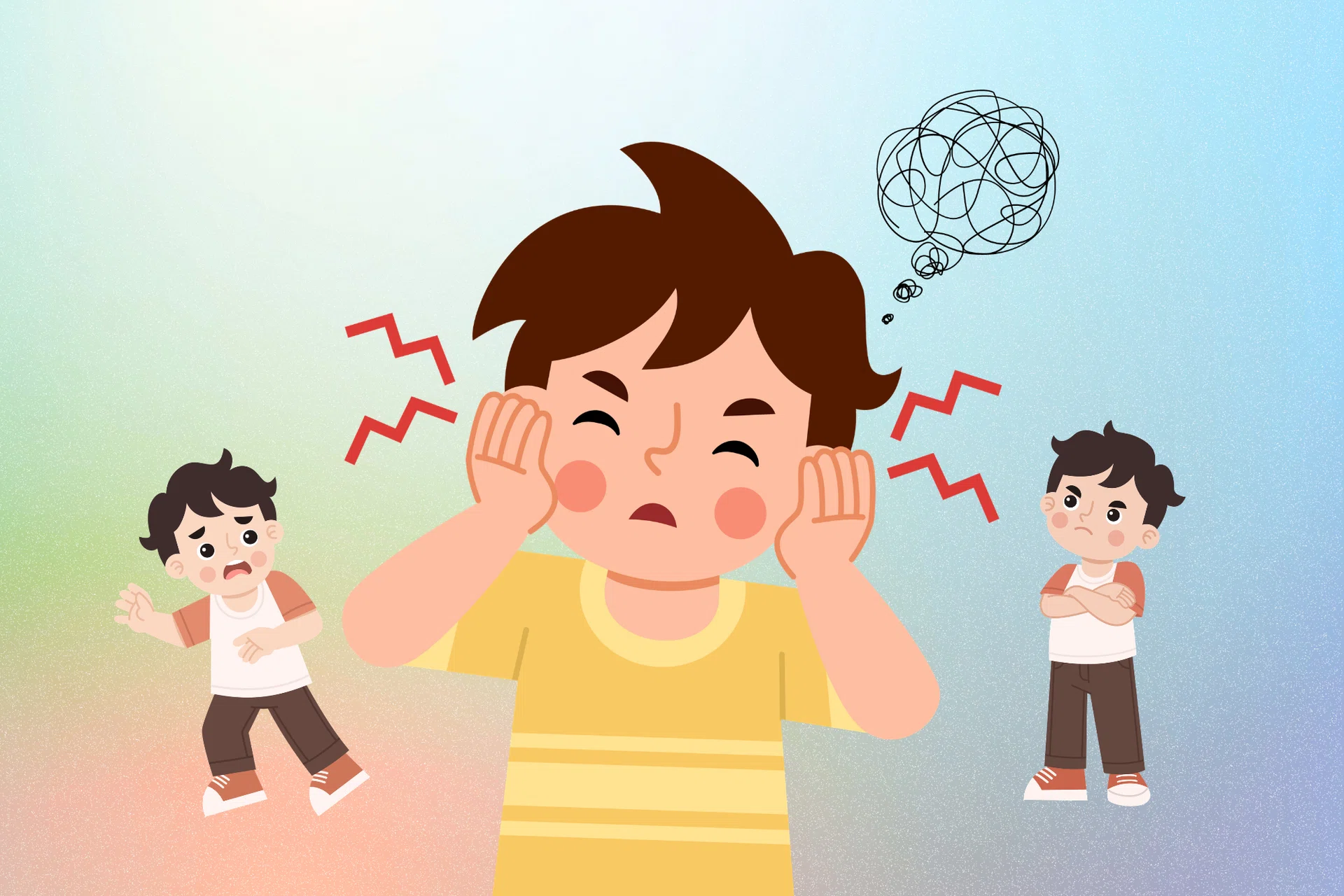
We had all piled into the MPV, ready for a family outing. My younger twin boys were excited, their seatbelts fastened. But their older brother became overwhelmed. What began as reluctance escalated into a meltdown, and it soon became clear that we could not go ahead with our plans.
We abandoned the outing before we had even left. The twins sadly unbuckled their seatbelts, climbed out of the car and returned home.
Their brother needed us. But their disappointment mattered, too.
As a mother of three boys, my eldest of whom is autistic, I often think about moments like this. Much of our attention understandably goes towards helping him navigate a world that is not always designed for him. We celebrate his milestones, worry about his challenges and think about how best to support him.
Alongside him, his younger brothers are growing up, too.
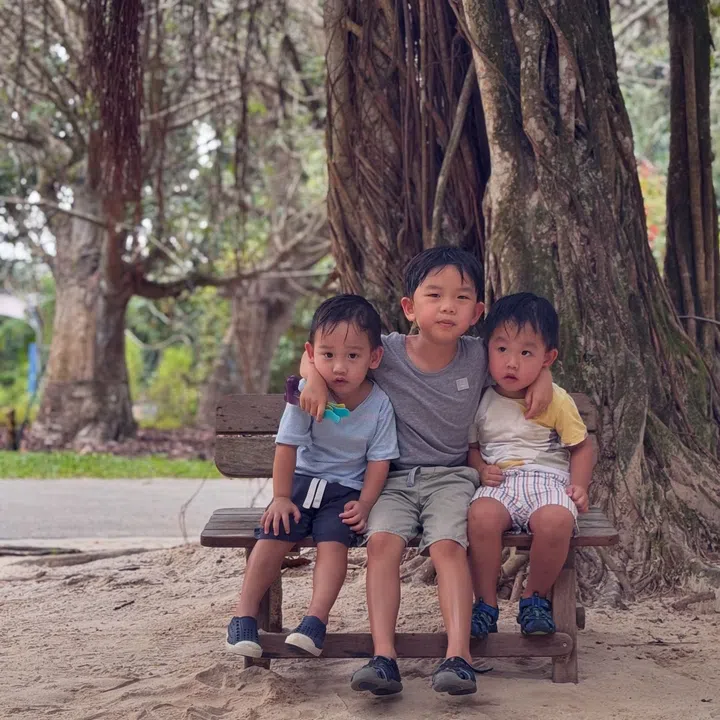
While we do our best to ensure that all three boys feel equally loved, I know that equal love does not always translate into equal attention. There are moments when their older brother’s needs must take priority, and theirs have to wait.
I wonder what those moments feel like to them, and how we can make sure they know that their needs still matter.
When their plans have to wait
That cancelled outing was one of those moments that stayed with me. Their brother was overwhelmed, and we needed to respond. There was no explanation that could simply take away the twins’ disappointment.
Much has been said about the challenges of raising a child with special needs: the financial strain, emotional exhaustion and need for greater inclusion and support. These conversations are necessary. But I wish we spoke more about the children growing up alongside them.
They may not need regular therapy, specialised education or medical interventions. They may appear to be coping well. Yet that does not mean they have no worries or disappointments of their own.
Some learn early to accommodate changes in plans or step aside when their parents are overwhelmed. I worry that, if we come to expect this of them, they may begin to believe that their own feelings should always come second.
The term “glass child” is sometimes used to describe a sibling whose needs feel overlooked when another child requires significant additional support. It is not a clinical diagnosis, but it gives a name to an experience that can be difficult to express.
I do not want to assume that I know how my younger sons feel. I want to make room for them to tell me.
They’re allowed to be disappointed
As parents, we often praise our children for being understanding. We tell them how kind they are, how mature they have become and how fortunate their sibling is to have them.
But I have come to think that we need to tell them something else, too.
They are allowed to feel frustrated when plans change. They can be disappointed, jealous or even resentful without feeling guilty for having those emotions.
They do not always have to be the patient or accommodating ones.
I do not want my younger sons to grow up believing that their role in our family is to make life easier for their older brother. I want them to love him as their brother, not view him as their responsibility.
They deserve the space to be children, with interests, friendships and worries of their own.
Making room for every child’s needs
Supporting a family raising a child with special needs means recognising the emotional wellbeing of siblings, too.
Initiatives such as MINDSibs and SibsUnite offer opportunities for siblings to connect, share experiences and find support. I hope more parents will become aware of such resources while their children are young, so that support can begin before feelings of being overlooked become deeply rooted.
Schools, healthcare professionals and social service organisations can also help families recognise when siblings need support.
At home, I keep coming back to the small things we can do: setting aside uninterrupted time with each child, making room for their interests and checking in after a difficult moment.
After a cancelled outing, that might begin with acknowledging how disappointing it was. We can explain why plans changed while allowing them to be upset about it. They should not have to stop feeling disappointed just because they understand their brother needed us.
We may not always be able to give our children equal amounts of time. But we can make a conscious effort to listen to each of them, celebrate their achievements and let their interests shape our family plans, too.
What I hope my boys will remember
I hope my boys will grow up with a deeper understanding of differences, a natural instinct for inclusion and a special bond with their older brother. I also hope they will have happy childhood memories that belong to each of them.
I want my younger sons to remember the moments when they were the centre of our attention: when their achievements were celebrated, their worries heard and their individual personalities cherished.
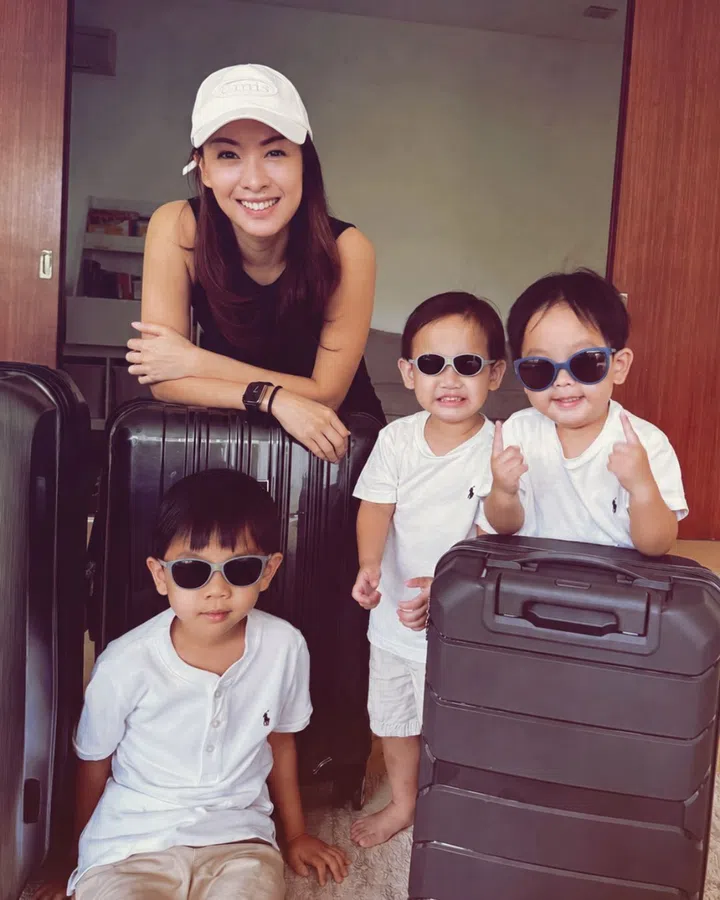
As a mother, I know I will not always get this balance right. There will be days when one child’s needs inevitably take priority.
To my two younger ones, thank you for the love you bring into our family, for the joy you bring to your brother, and for teaching me that every child deserves to be seen in their own right.
And to every child growing up alongside a sibling with special needs, thank you for the love, patience and understanding you so often show, even when no one is watching. But I hope you know this, too. You do not always have to hold it together. Your feelings matter. You matter.
And you deserve to be celebrated, not just for the sibling you are, but for the person you are becoming.
Caryn Lim (@caarynlim) is the co-founder of Growing Mind Collective, a developmental therapy centre, a writer and an advocate for inclusion and neurodiversity.