How To Get Rid Of Your Child's Persistent Cough
Find out how to nip that pesky hacking in the bud before it causes long-term damage

Share this article
Your child has been hacking for over two weeks, and the persistent cough does not look like it will end anytime soon.
A cough is one of the symptoms of a respiratory tract infection or a viral infection like the common cold.
According to the National Library of Medicine, the National Institutes of Health’s medical research agency in the US, coughs commonly result from allergies involving the nose or sinuses, sinusitis with post-nasal drip, asthma or chronic obstructive pulmonary disease (where patients have trouble breathing), the common cold or flu, or lung infections like pneumonia and acute bronchitis.
In more serious cases, coughs can also result from using certain blood pressure medications or are a symptom of heart failure, kidney disease, gastroesophageal reflux disease (GERD, a digestive disorder where the stomach’s contents flow back up into the oesophagus) and lung diseases.
Here’s how to stop a persistent cough that could cause long-term damage if not nipped in the bud:
Identify the cough type
Credit: Getty Images
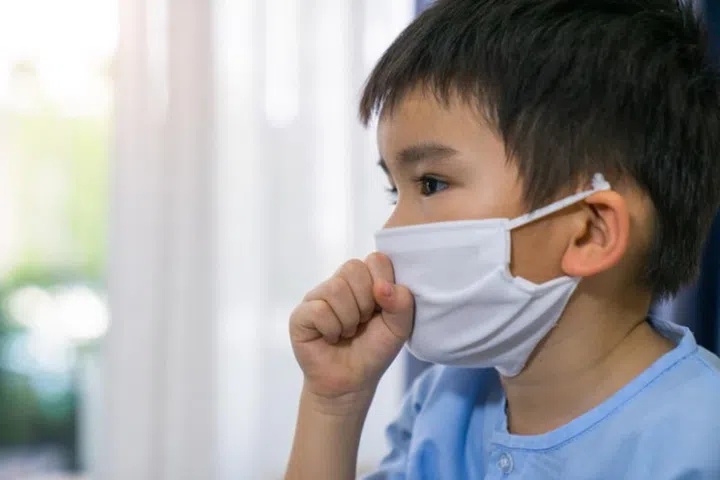
Dr Wong Wei Mon, a family physician and clinical educator, says a cough caused by the common cold and flu should resolve itself within two to eight weeks. But if a persistent cough drags on for more than eight weeks in adults and four weeks in children, it is defined as a chronic cough.
“A chronic cough is more than just an annoyance,” says Dr Wong. “While it can sometimes be difficult to pinpoint the problem, the most common causes are tobacco use, post-nasal drip, asthma and gastric acid reflux.”
Look out for symptoms
If your child’s chronic cough is accompanied by other symptoms like fever, weight loss, shortness of breath upon exertion, wheezing, reflux symptoms or heartburn, Dr Wong says you should see your doctor to check that it isn’t something more serious, like the conditions mentioned above.
Cut out triggers

Credit: Getty Images
“Certain foods, such as fried food, chilli and citrus fruits may irritate the airways, thereby triggering the cough,” says Dr Wong.
But it also depends on the individual. “If you are allergic to foods like milk, fish, shellfish, eggs, yeast, chips, packaged snacks, sugary desserts and nuts, consuming them may cause you to cough,” adds Dr Wong.
“And if your cough is asthmatic in nature, you may want to avoid cold water or chilled food. Grapes, wine, carbonated drinks, processed meats and salads may also contain chemicals that can trigger an asthmatic cough.”
Try a home remedy
If you have a raspy cough due to a dry throat, be sure to stay well-hydrated. Dr Wong advises: “Drink plenty of fluids but avoid caffeinated drinks such as coffee and tea, as they are mildly diuretic and stimulate urination, causing the body to lose water.”
You can also place a humidifier in your child's room to reduce coughing bouts that are triggered by dry air and dust. And to boost junior's immune system, ensure he or she gets adequate sleep and physical activity.
If you prefer Traditional Chinese Medicine (TCM) remedies, herbs like codonopsis root (dang shen), cordyceps, lily bulb and ginseng are often recommended as they are believed to boost lung health, which may help prevent coughs. But be sure to check that the herbs and their dosage are safe for kids.
Hydrate

Credit: Getty Images
When you have a persistent cough, you need to drink a lot of fluids. Water and soup can help loosen mucus in your child’s airways too so they can cough it up and out. Juice and other drinks with sugar in them are not helpful choices because they can dehydrate them.
What’s more, a parched body may push their immune system to release more histamines. These chemicals swell up their nose and make more mucus, which can set off a cough.
Sleep smart
If your child’s cough is causing them to lose sleep, try raising their head. When you lie flat, the mucus can pool and irritate your throat. To put gravity on your side, use an extra pillow or raise the head of your bed with a stable surface, such as books.
Add moisture to the air
Credit: Getty Images
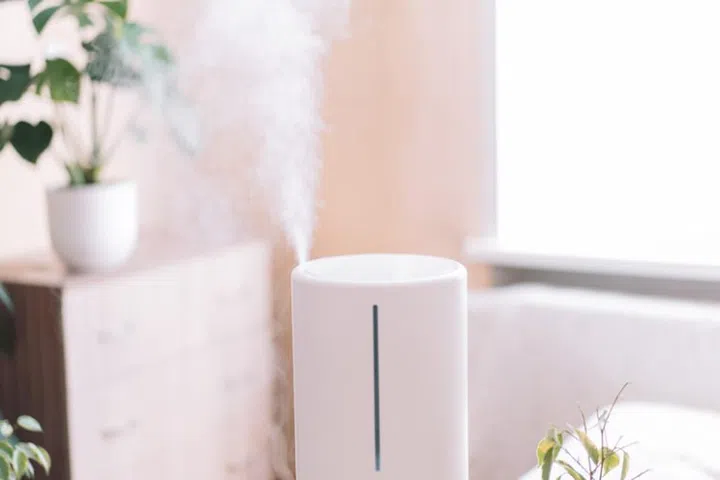
A steamy shower or bath can help loosen the mucus and congestion behind your child’s on-going cough. A humidifier also may help. Be sure to clean and change the filter as directed by the manufacturer. This prevents it from blowing mold, fungi, and bacteria in your home.
Use a nasal spray
Try using a saline spray to flush out cough-inducing mucus and allergens from your kiddo’s nasal passages. Here’s how to use them: With your child’s head resting gently on your knees, gently spray one or two nasal drops in one nostril and allow a few seconds for the solution to moisturise the nasal passage and loosen the excess mucus before continuing with the other nostril.
Text: Young Parents / Additional reporting: Natalya Molok
This article was originally published on Sep 27, 2019.