"Do Spirits Eat The Food?" — How To Explain The Hungry Ghost Festival To Kids
Address your child's fears and confusion with these facts about the festival
By Michelle Lee -
Share this article
“Why are people putting food on the road? Can I eat them?”
With the Hungry Ghost Festival or 7th Month here, your child might see offerings placed by the roadside, or burning joss paper. They might be confused or feel spooked to hear that there are ‘spirits’ wandering the streets. It’s a good time to gently explain what the festival is about, rather than leave them with fears and misunderstandings, and also teach them about different customs, cultural awareness and respect.
When broaching the topic, it's important to gauge their reactions and adjust your responses accordingly. Keep the explanations simple, gentle, and age-appropriate to ensure they feel comfortable and informed without feeling scared. Need some help? Here are some facts behind the Hungry Ghost Festival, and how you can share them with your young ones.
When is the Hungry Ghost Festival and what is it?
The Hungry Ghost Festival, also known as Zhong Yuan Jie to Taoists and Yu Lan Pen Jie to Buddhists, is a traditional Chinese festival observed during the seventh lunar month. In 2026, the festival runs from Aug 13 to Sep 11, with Ghost Day — the 15th day of the lunar month — falling on Aug 27. It is believed that during this month, the gates of the spirit realm open, allowing ghosts and spirits to visit the human world.
Why is it called the "Hungry Ghost" Festival?
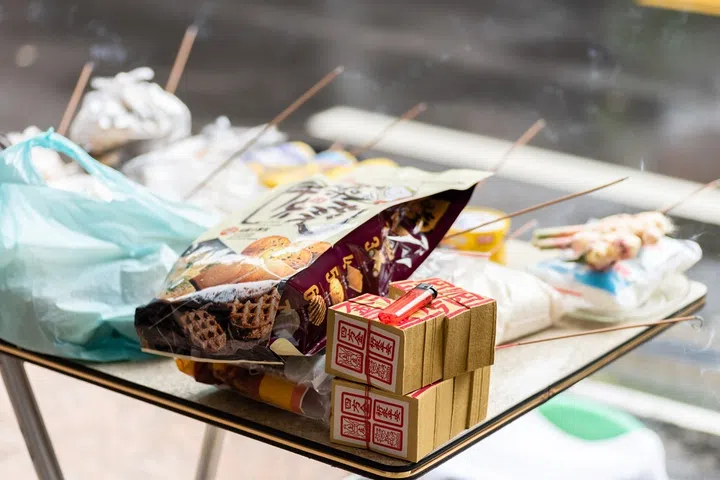
Traditionally, it is believed that some ghosts and spirits might not have family members to offer them food and gifts. They are referred to as "hungry ghosts." During the festival, people offer food, drinks, and other objects to these spirits to ensure they are not hungry or lonely.
It's important to note that depending on local cultural influences and practices, the customs and traditions associated with the Hungry Ghost Festival might vary slightly from one region to another.
Where is the Hungry Ghost Festival celebrated?
The Hungry Ghost Festival is primarily celebrated in various East Asian countries, especially in regions with significant Chinese communities. Some countries where the festival is observed include China, Taiwan, Singapore, Hong Kong, and Thailand.
Why do people burn joss paper and display food offerings?
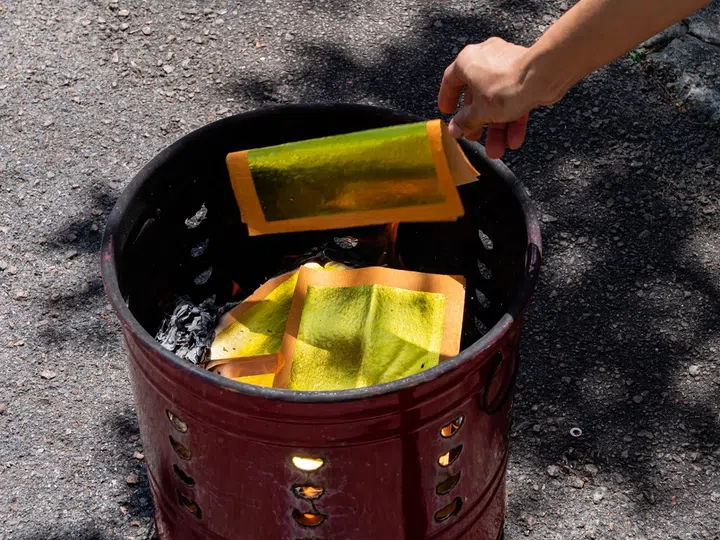
Offerings are a way to show respect to the spirits and provide for them in the afterlife. It is believed that they provide solace and sustenance to the hungry ghosts, deterring them from causing trouble or misfortune. In return, the people who offer them gain blessings and protection from the spirits.
It's also important to note that while observing tradition, we should practise responsible burning practices, not pollute the environment or inconvenience others, like the cleaners who have to clean up the mess. Some tips on joss paper burning include:
- Clearing up offerings after prayers
- Burning joss paper in designated or personal burners, and not scattering them
- Burning joss paper in small quantities to minimise smoke
What is getai and why are the first rows of seats left empty?
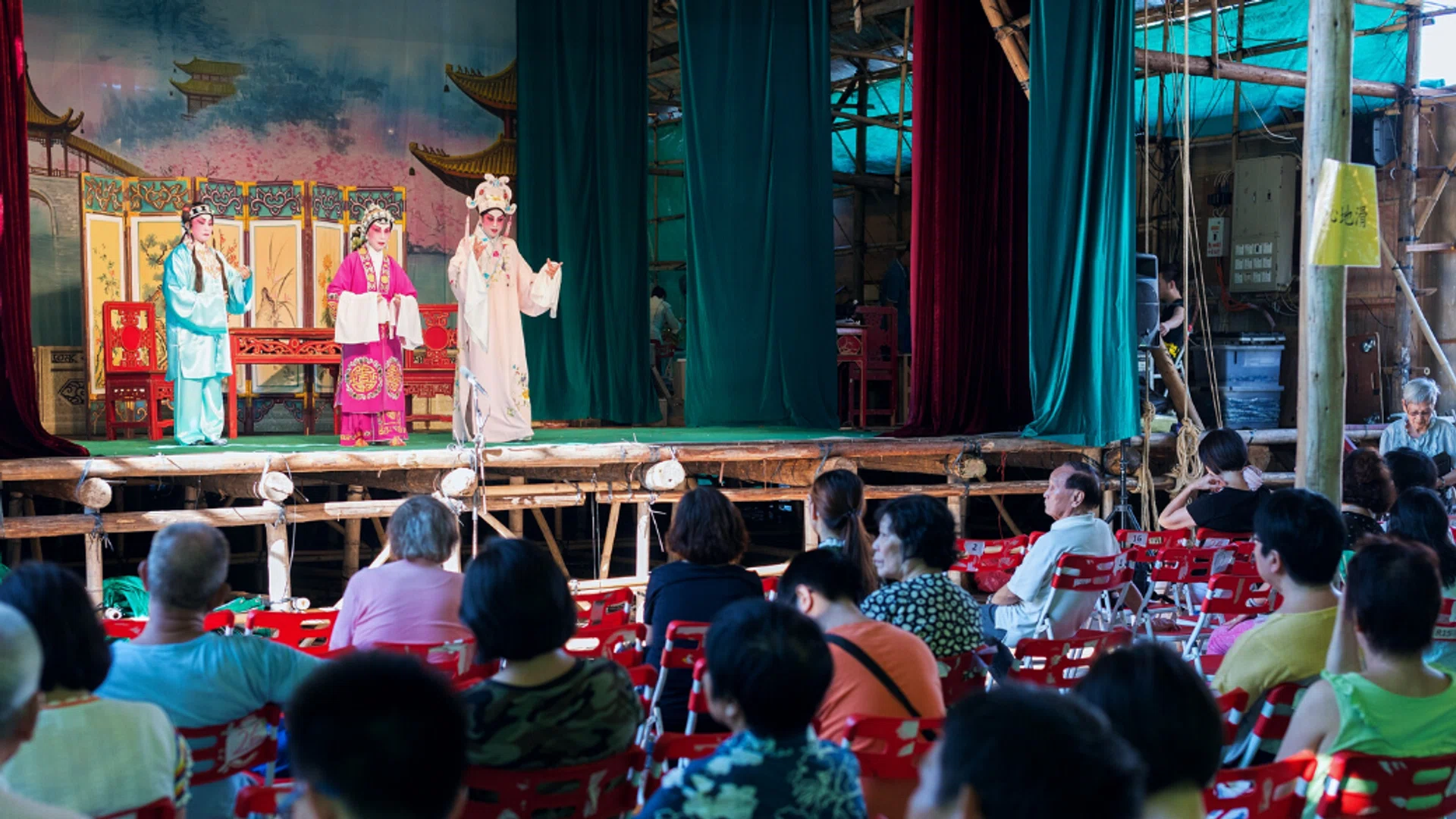
Traditionally, it is commonplace for Chinese operas and puppet shows to be held as thanksgiving performances for spirits during the hungry ghost month, but have been gradually supplanted by getai shows. Getai literally translates to “song stage” in Chinese and usually comprises boisterous live stage performances with popular and up-tempo songs. They're also often characterised by carnivalesque colours, outfits, and backdrops.
The cultural gesture of leaving the first rows of seats empty shows respect and consideration for the spirits and ensure that they have a place to "watch" the performances.
Common kids’ questions about the Hungry Ghost Festival and how to explain them
Can ghosts really eat the food?
Ghosts don't eat like humans do, but offering food is a way to show love and respect. It's a symbolic gesture to let them know we care about them.
Is it scary?
While it might seem a bit spooky, there's no need to be scared. Ghosts are part of stories and beliefs, and during the festival, people are focusing on being kind and respectful. It's more about remembering and honoring those who have passed away.
Are the spirits only around during the festival?
In some beliefs, the spirits are thought to be closer during this time, but people remember their loved ones all year round. The festival is a special time to do something extra special for them.
Is it like Halloween?
While both festivals involve a connection to spirits and the supernatural, they differ in terms of cultural origins, practices, and significance.
However, they are distinct cultural celebrations with different origins and practices. The Hungry Ghost Festival is namely observed in East Asian countries and involves making offerings to the spirits of ancestors and wandering souls. Halloween celebrated in Western countries, has roots in Celtic traditions, where it was believed that on the night of Oct 31, the boundary between the living and the spirit world was blurred. Today, it often includes dressing up in costumes and trick-or-treating.
What not to do during the 7th Month: Hungry Ghost Festival taboos and customs
Traditionally, certain taboos are followed during this time to avoid bad luck or offending these spirits. Here’s a short list of things to avoid (whether you believe it or not!):
1. Don’t stay out late at night
Spirits are believed to wander more freely after dark; being out late might increase your chances of encountering them.
2. Don’t step on or kick offerings
Food, incense, or joss paper placed by the roadside are for the spirits. Disrespecting them could bring misfortune.
3. Avoid swimming
Water is thought to be dangerous during this month, as spirits are believed to pull people under.
4. Don’t hang clothes outside at night
Spirits might latch onto the clothing and follow them back into your home.
5. Avoid whistling or calling out names at night
It’s said that spirits may be attracted by these sounds and mistake them as invitations.
6. Don’t pick up coins or strange objects from the ground
These might be spirit offerings or cursed, and picking them up can bring unwanted energy.
7. Avoid major life events like weddings or moving house
Such joyous occasions are seen as attracting unwanted attention from wandering spirits and are best postponed.
This article was originally published on Aug 12, 2025 and updated on Aug 13, 2026.