Is Chang-e Real? What To Know About The Mid-Autumn Festival (If Your Kid Asks)
Why do we celebrate the moon?
By Michelle Lee -
Share this article
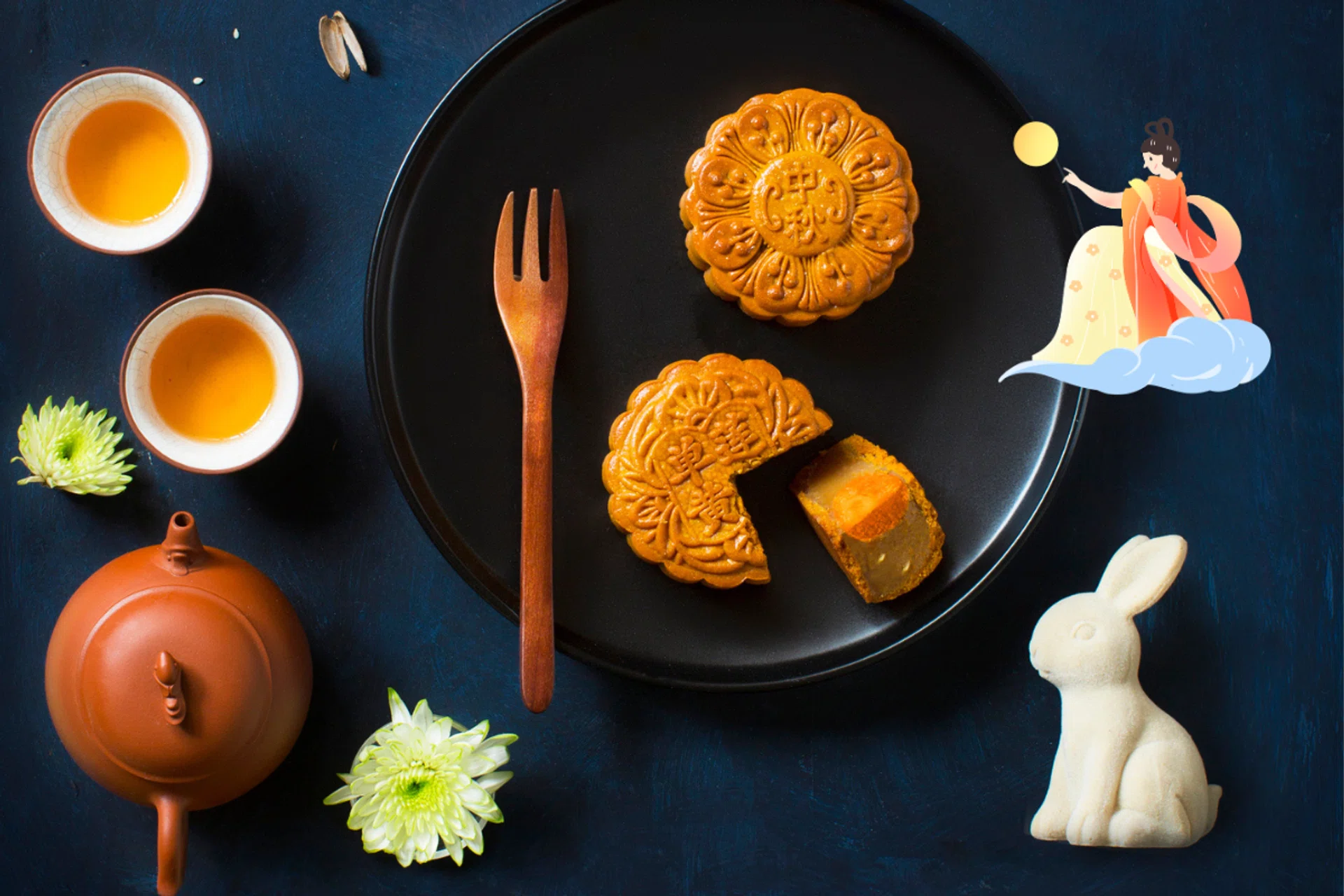
Think of the Mid-Autumn Festival, and mooncakes and lanterns are some of the first things that come to mind. But more than that, it's also a culturally significant event that traditionally marked the end of the autumn harvest and was a time to give thanks to the gods as well as celebrate family unions.
When is the Mid-Autumn Festival and when did it start?
The festival falls on the 15th day of the eighth month in the lunar calendar, which usually corresponds to September or October in the Gregorian calendar. It is celebrated when the moon is at its fullest and brightest, which is why lunar legends have always been attached to the celebration. This year, it falls on Sep 25, 2026.
The origins of the Mid-Autumn Festival, also known as the Moon Festival or Zhongqiujie (中秋节) in Chinese, aren't exactly clear. It is believed that it first appeared during the Song Dynasty, derived from the tradition of worshipping the moon, and became a formal event during the Tang Dynasty (618-907 AD). During this period, ancient Chinese emperors hosted grand feasts to offer their tributes to deities and honour the bountiful harvest of the year.
The legends and stories behind
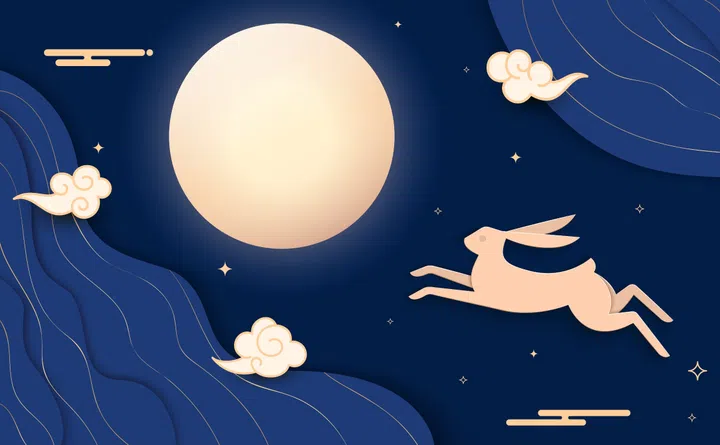
Chang'e and Houyi: One of the most famous legends associated with the Mid-Autumn Festival is the story of Chang'e and Houyi. Houyi was a legendary archer who shot down nine of the ten suns that once scorched the Earth. As a reward, he received an elixir of immortality but kept it hidden.
However, one of his students tried to steal it, and thus, Chang'e drank it to keep it from falling into evil hands. She then ascended to the moon, where she has lived ever since. Heartbroken, Houyi honoured her by offering her favorite foods, including mooncakes, a tradition still observed during the festival.
Moved by their love, the Mother of the Moon allowed Chang'e and Houyi to reunite every full moon of the eighth lunar month. This annual event, celebrated on the 15th day of the month, became the Mid-Autumn Festival, a time where people look forward to both the celestial reunion and their own family reunions.
The Jade Rabbit: Then there's the Jade Rabbit, which lives on the moon with Chang'e. According to the legend, the rabbit pounds the elixir of immortality using a mortar and pestle.
Wu Gang: The story of Wu Gang is also commonly associated with the festival. It's said that there was once a woodcutter named Wu Gang who wanted to become immortal, but once he had the opportunity to do so, he became lazy and never cultivated himself. This angered the heavenly Jade Emperor, who then banished Wu to the moon and tasked him with cutting a self-healing tree that could never be chopped down. The shadows seen on the moon are said to be that of the tree.
Why do we eat mooncakes?
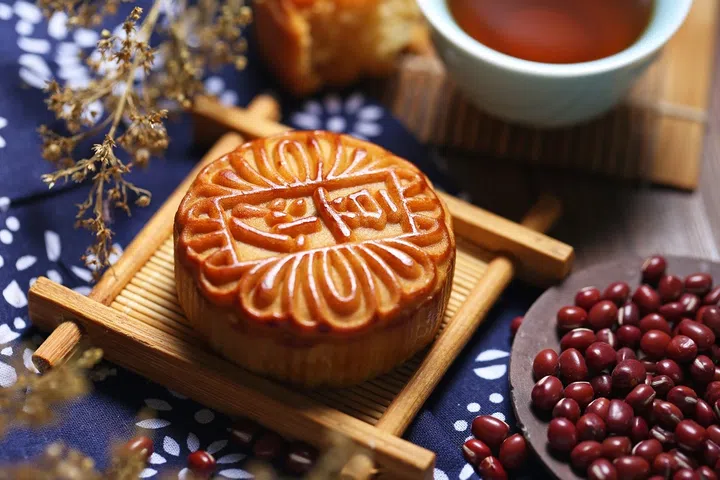
Mooncakes are the most iconic and essential treat during the Mid-Autumn Festival. The roundness of the mooncakes symbolise reunion and completeness. These round pastries are traditionally filled with various sweet or savory fillings like lotus seed paste, red bean paste, nuts, or salted egg yolks. They are often intricately designed with decorative patterns on top. The act of sharing and savoring round mooncakes with family members during the festival symbolises the wholeness and togetherness of families.
What types of mooncakes are there?
There are various types of mooncakes available, from the Cantonese-style baked mooncakes characterised by their golden and glossy, thin, and soft crust, to snowskin mooncakes with a chewy exterior. They're also typically eaten cold. The less common ones here are the flaky Teochew mooncakes, as well as Shanghai-style mooncakes with a shortcrust pastry. In modern times, hotels, bakeries and retailers have come up with novel confections that range from durian to alcohol-filled mooncakes.
Other tasty treats
Mooncakes aside, there are other traditional foods that hold significance during the festival.
Pomelo: The Chinese word for pomelo (柚, yòu) sounds similar to the word for “blessing” (佑, yòu). The fruit is offered to the moon in the hopes that the Moon Goddess will bless families with good luck and happiness. Since fresh, juicy pomelos are typically in season around this time and readily available, they are a natural choice as a celebratory fruit.
Water caltrop nut: Water caltrops are known as 'ling jiao' in Chinese and are favoured for their resemblance to a bat. The word bat in Chinese has a "fu" sound in it, which is similar to the sound of the word for luck.
Taro: The tradition of eating taro apparently traces back to the Qing Dynasty. Eating taro during the Mid-Autumn Festival is believed to dispel bad luck and bring good luck and wealth.
Duck: In China, duck is a popular choice during the Mid-Autumn, particularly because the meat tends to be at its richest during this time of year. There's also a practical aspect to enjoying duck during the festival. In Traditional Chinese Medicine (TCM), duck is considered a "cooling" (yin) food, and its consumption can help balance out the "warming" (yang) effects of other foods like mooncakes. This ensures a harmonious and balanced meal.
Tea: A cup of tea, a Chinese cultural staple, is paired with mooncakes to help balance the sweetness and richness of the confections.
Why do we carry lanterns?
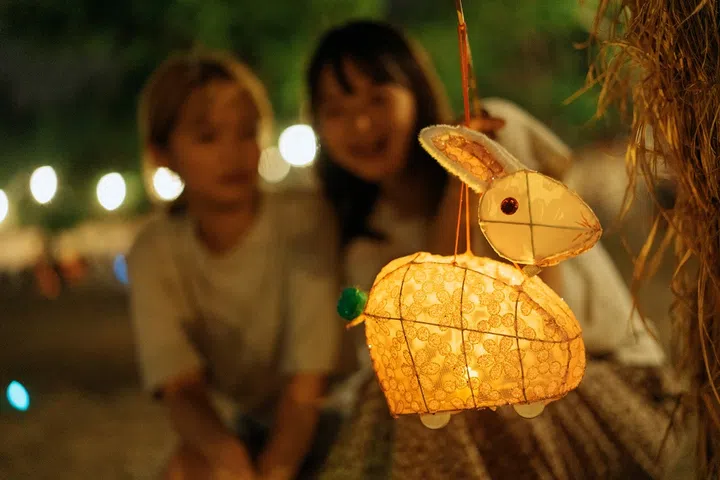
You'll see candle-lit paper lanterns — and in modern times, battery-operated ones — carried around and hung up when the Mid-autumn Festival rolls around. The glowing lanterns are symbolic beacons that light people's path to prosperity and good fortune.
This article was originally published on Sep 3, 2024 and updated on Sep 13, 2026.