9 Tips From Fellow Mums On Coping With Miscarriage
Real mums share their own experiences and ways to cope with the painful loss of a pregnancy
By Gwyneth Goh -

Share this article
In Singapore, it is estimated that about one in five pregnancies end in miscarriages. Experiencing a miscarriage can be a devastating and emotionally challenging journey for many women and their partners. While the pain and grief may feel overwhelming, knowing that you're not alone and seeking support can make a significant difference. Here are nine valuable coping tips from real mums who have bravely navigated the difficult path of pregnancy loss.
Embrace your emotions in full
O.C., sales manager and a mother of two, shares her grief about losing two pregnancies.
“The first time, I felt something was wrong while I was on my work trip and true enough, there was no foetal heartbeat by the time I came back and went to the gynae. The second time, the night before I was about to fly to Paris for another work trip, I felt the foetus just pass from my body while I was using the bathroom. The gynae had warned that the pregnancy wasn’t stable because I was experiencing high blood pressure. I was so devastated but I couldn’t talk about it. I didn’t even tell my husband about it. I just went ahead for my work trip the next day and sat by the Champs Elysees crying.”
As a busy working mum of two, O. did not have the time or luxury to slow down or stop work after either miscarriage. Perhaps, work also posed as a much-needed form of escape which helped her to shelf some of her heartbreak for the moment. Regardless of workload, however, she advises fellow mums to give themselves space to grieve and not repress any emotions — it is a loss, after all. “Give yourself permission to grieve and feel the whole gamut of emotions — the sadness, anger, guilt, fear… It’s a necessary part of healing.”
Seek support from others instead of bottling it up
Talking to friends, family, or other women who have experienced similar journeys can be a crucial part of the healing process. Being able to talk about your feelings and experiences can help alleviate the emotional burden.
For O., it took some time before she felt ready to speak to someone. "I was so busy with work after both miscarriages that I didn’t even have time to slow down or rest or recuperate and do the confinement thing like some people recommended. I have since been to see a therapist who tells me that I need to give myself the time to grieve. My advice is to see a counsellor or speak to someone who can help you process the loss. It is very hard to deal with something like this alone.”
Communicate openly with your partner

Effective communication with your partner after a miscarriage is also instrumental in the healing process. Remember that your partner is also grieving. Being open with each other and offering mutual support will strengthen your bond, and help you both navigate the grief and pain together.
E. C., a homemaker and mother of two, says: "Communicate and talk to your partner about your worries and tackle them as a couple. Ensure that your goals are the same as that will help with the journey. After all, pregnancy is really something that jointly belongs to both of you.”
E.C. had experienced spotting at about seven weeks and found out she’d suffered a miscarriage when she visited the gynaecologist. “I felt such a sense of loss and discouragement because my periods were irregular and I had to time my ovulation window which was quite stressful. For most women, their cycles are 28 days while mine could stretch out to 35 or 38 days which became hard to monitor. I had to use ovulation test sticks to check when I was ovulating, which all added up to the stress. It would have been an even more difficult time if not for the loving patience and support of my husband.”
Keep a positive mindset
“I was worried that it would be hard to get pregnant again,” E.C. confessed. “But I had many people around me encouraging me not to let the failed pregnancy get me down. It is actually quite important to remain optimistic as being too worried about the pregnancy can sometimes work against a successful pregnancy.”
“In between my pregnancies, I consulted a TCM (traditional Chinese medicine) practitioner to build up my strength, and also started acupuncture to help improve blood circulation. I felt that this combination helped to build up my body towards the next pregnancy where I successfully conceived and delivered a healthy baby.”
Staying positive and believing in your ability to heal can do wonders for a woman’s psyche and body. Courage can come from the strength you discover within yourself during this challenging time, but be patient with yourself — regaining courage is a gradual process.
Take your time to process things

]There is no set timeline for when you should "move on”, since healing is a uniquely personal journey. We all process things differently, so give yourself all the space and time you need. V.G, a human resource business partner and mother of four, reminds us that "there's no rush to 'get over it.' Take your time to grieve, rest and recuperate. You will probably mourn for some time and it is absolutely natural — even necessary.”
V. experienced a spontaneous abortion in her second pregnancy towards the end of the first trimester. She was told at an ultrasound that her foetus was in an unusual shape and missing a heartbeat.
“I was crushed. What went wrong? I had a healthy first pregnancy and firstborn. It didn’t make sense to me but the doctor said miscarriages are common. She didn’t seem very empathetic which made me feel worse. She suggested a D&C (dilation and curettage) but I declined. I told her I would wait for the natural abortion instead as I didn’t want to scrape my baby out of my womb like a piece of rubbish. That might also hurt my womb for conceiving again in future. My bosses were kind when I told them about it and they let me take a month off to grieve and recover. I waited for the natural abortion.”
Care for your body afterwards
V. continues sharing, “For me, I opted for the natural way instead of a D&C which could be harmful to the body. I am personally proud of my choice even though it’s less conventional, as I recovered my health and was able to conceive again about three months after the loss. I’m not imposing this view on anyone else but I would say that moms can and should make their own decisions instead of simply relying on the gynae’s first opinion.”
“Within a week of the gynae visit, I had terrible cramps one night and discharged a fair bit of blood and gunk... I went back to the doctor so she could scan and check if everything had been expelled properly. There were some remnants so she gave me medication to help clear it. I then went the TCM route to get medication to clean up and nourish my system.”
Even though the pregnancy was not viable, caring for your body is still critical for a healthy recovery. Hydration, good nutrition, rest, sleep and light exercise (once you feel ready for it), will help the body heal. It could take anything from a few days to a few weeks to recover physically from a miscarriage, and the feelings of fatigue may persist for a while. Consuming protein-rich and iron-rich foods can aid restoration, as can taking supplements or tonics.
Know that there is hope

After her pregnancy loss, V. struggled to let go — as all grieving mothers do.
“I felt so awful to flush [the tissue] away knowing that the little life lost was somewhere in there, but of course I couldn’t keep it. I had to say my goodbyes and prayers and let go.” She then met a few mothers who’d also miscarried and had similar or even more devastating stories to share. One of them had been forced to abort her 20-week-old foetus because her cervix simply wasn’t strong enough to continue carrying the baby.
“I heard many stories of friends who’d lost their pregnancies, and I grappled to make sense of all the different losses and find understanding in my own situation. Someone then gifted me the book Jesse: Found in Heaven. I finally felt comforted reading it and believed that every lost child will be found in heaven too. It’s very difficult but even in the midst of grieving, it is so important to be mindful, stay thankful and count your blessings. You need to find a way to be positive, get healthy and try again.”
Avoid the spectre of self-blame and guilt
M.B., associate editor and expectant mother in her third trimester, shares about losing her first two pregnancies quite early on. She had lost one at week 5 and the other at week 7, with the second one hitting harder because she and her husband had seen the baby's heartbeat on ultrasound. As they were consecutive miscarriages, the impact was greater.
“I remember it was quite a dark period after that. I'd lie immobile in bed for hours thinking about what went wrong, analysing what I had done or eaten that might have possibly affected the pregnancy. There would be periods of time when I was fine, then tears would come out of the blue.”
“I think self-blame was the biggest thing. It didn't help that well-meaning relatives and friends would chime in with platitudes like ‘it wasn't meant to be this time’ or ‘you can always try again’. These only fuelled my guilt, even though I knew logically there was nothing I could have done. Another challenge was fear — now that I'm 28 weeks pregnant, the fear still doesn't go away and it probably never will. It takes away the innocent joy of pregnancy somewhat. Journalling and meditation helped to mitigate some of that fear though, and I find strength in writing about my journey.”
Remember your baby in any way you want to
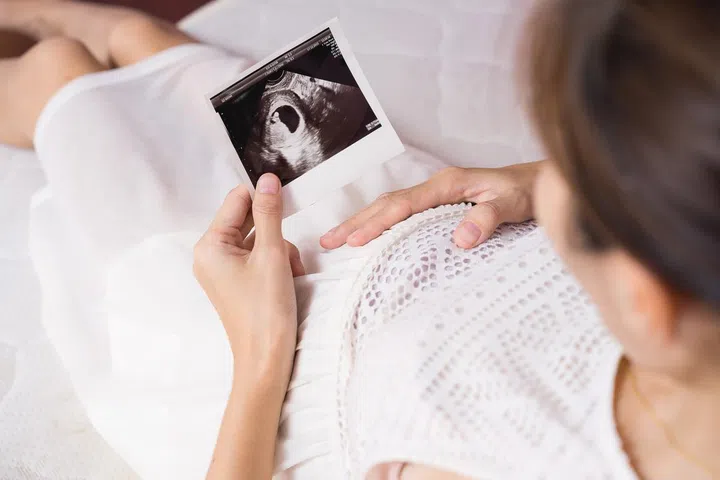
Many mums find comfort in creating a memory book, planting a tree, or doing something special to honour their lost baby. V. says: “To date, I have the ultrasound scan of our lost child on my dresser. We never knew the gender of our baby, but he or she is not forgotten—even now that we have four healthy children.”
M. likewise shares, “What helped me was also getting a small stuffed animal and ‘taking care’ of it. Though it might sound silly, the act of doing so helped me to have some closure and comfort because otherwise I'd feel extremely bereft without something to mother and care for. Find a way to remember your baby. Maybe it's a ring with their birthstone, or a letter to them. You'll feel slightly better with this tangible reminder of their existence and the love you felt for them.”