
7 Science Activities To Do With The Kids At Home During The Holidays
Introduce Science concepts to your kids before Primary 3 and get them to start loving the subject
By Nur -
Share this article
The holidays are here, and what else can the kids do apart from screen time? For parents of kids going to Primary 3 next year, you might want to consider preparing them for Science since it will be a new subject to them. Sending them to holiday preparatory workshops or classes is heavy on the pocket, so staying home may be the best option.
From the endless list of possible ideas, we've picked for you seven must-try Science activities you can do with your kids in the comfort of your home. These present great learning opportunities for your kids to pick up foundational Science concepts and skills, using materials that can easily be found at home.
1. What floats or sinks?
Get a big bowl of water and a variety of small objects:
- Coins
- Plastic bottle cap
- A small clump of plasticine or clay dough
- A small wooden stick
- Dried leaves
- Raw and boiled eggs
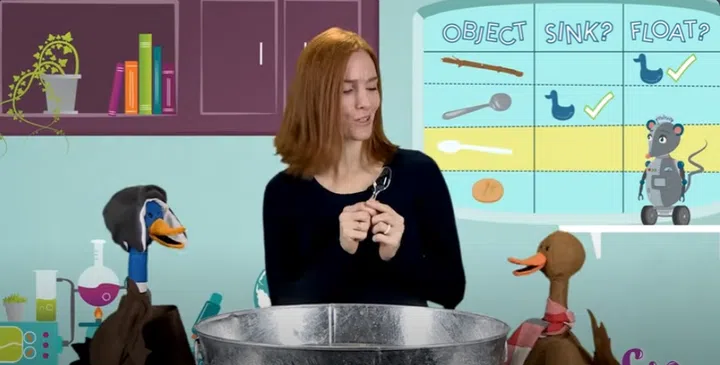
Before releasing these objects into the bowl, get your kid to write down their predictions first. Make them guess which items will float and which will sink. Teach them how to create a simple table with rows and columns before listing down all the available objects and predictions.
More adaptations of the experiment here.
Tip: You can do this activity right outside your home or on the balcony to avoid a watery mess.
2. What disappears in water?
Get some clear bowls or jars, spoons and a variety of ingredients:
- Sand/soil
- Flour
- Rice grains
- Sugar (coarse, fine, powdered)
- Baking soda
- pepper (coarse, cracked or grind)
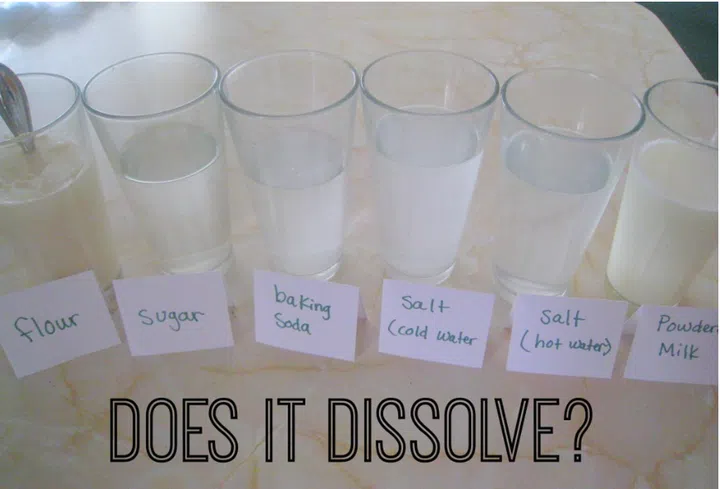
Get your kid to pour a teaspoon of an ingredient into the bowl and observe the results. Ensure that you prepare different bowls for each ingredient.
Tip: For bigger kids, you can ask them to use a timer to record the time taken for the ingredients to fully dissolve. Then, get them to prepare new bowls filled with warm water and repeat the experiment to see if there are any differences in the timings.
This experiment seems simple but the key is to show your kids how variables can have different effects on the results.
3. Write a secret message!
Get your kid’s investigator hat on! You only need 3 ingredients for this experiment: lemon juice, water and some cotton buds. Make a lemon juice-water solution by mixing a teaspoon of water with half a lemon of juice. Dip the cotton bud into the solution and write messages or draw on a piece of paper.
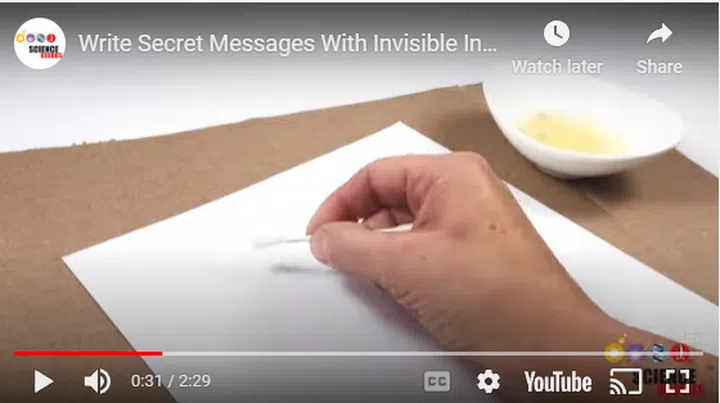
Let the ‘ink’ dry before getting a hair dryer to blow dry the paper. The secret message will pop out! Your kid will be more aware of how heat can cause liquids to react with the surroundings such as oxygen in the air to create a visible effect.
A more detailed explanation for this result can be found here.
4. Create your own magic show!
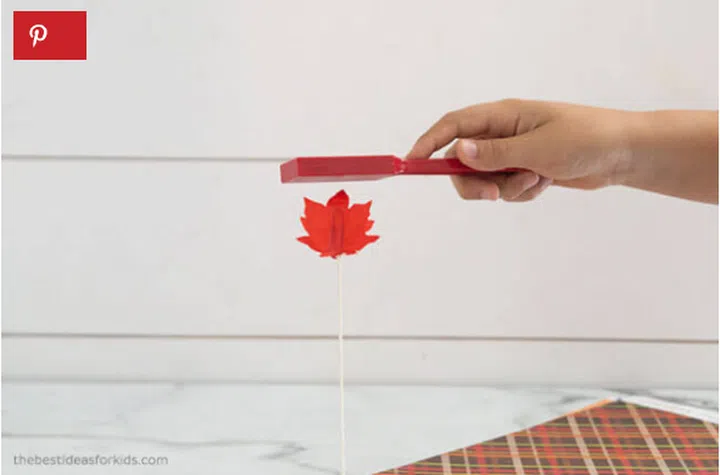
A good introduction to how magnets work—this activity will make your kids squeal in delight. Get your kids to practise their craft skills by first preparing some paper shapes (not limited to leaves!). Tie a string onto each paper clip before glueing the paper clip onto the paper shapes. Hold the leaf up before slowly bringing the magnet wand closer to it.
Get your kid’s thinking hat on by asking them if there are any changes they would like to introduce to the set-up. For example, add on more paper clips onto the leaf shapes or add a barrier.
A more detailed guide can be found here. Get the colourful magnetic wands here.
5. Growing star
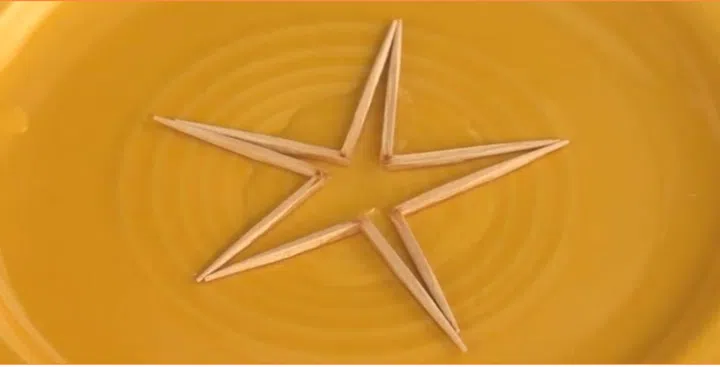
All you need are 5 toothpicks, some water and a dropper or a syringe. Break the toothpicks into two before arranging them into a star formation. Ensure that the split middles are facing inwards.
Then, drop some water in the middle of the star. Don’t spoil the surprise, and remind your kids to keep their eyes peeled to observe any changes!
This will introduce them to the concept of capillary action, where water is pulled up into narrow and hollow spaces in the wooden sticks. Share with your kids how the spaces in the sticks cause water to be absorbed, causing the sticks to be straightened out and the star to ‘grow’.
If you have some celery to spare in your kitchen, there’s another cool experiment to demonstrate the ‘capillary action’ concept here.
6. Smell me!
Credit: 123rf
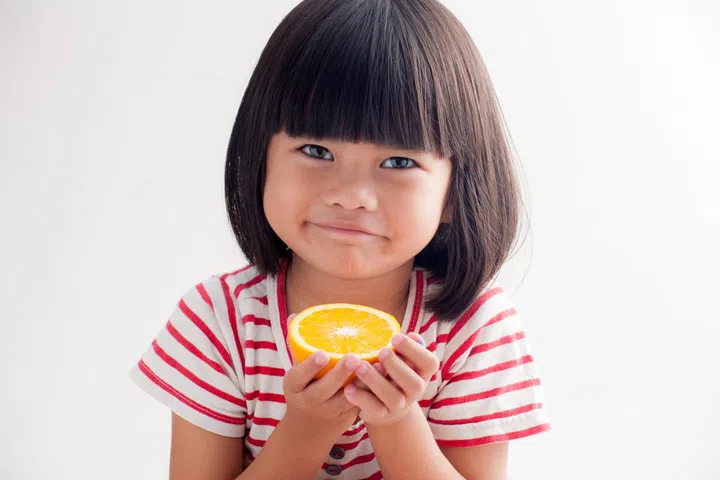
Do you know that our sense of smell is responsible for 80% of what we taste? What’s a better way to prepare your kids to be great observers than to sharpen their sense of smell! The sense of smell is something that is often overlooked as there is usually a lot of focus on what we can see or taste. How about getting the kids to put on their blindfolds and guess what they smell?
A suggestion of food items for the kids to smell:
- fruit parts such as banana skin, orange peel
- a sliced onion
- vinegar
- vanilla essence
- coffee powder
An adaptation of the smell experiment you can try: The Taste-Smell Connection
More smell(y) activities for you and your kids here.
7. Paper airplanes contest
Long gone are the days when kids play with paper airplanes. How about reliving your childhood by getting your kids busy folding papers into different airplanes? This site offers more than 15 paper airplane designs for you to try out with your kids. There are at least 5 ‘Easy’ fold designs for you to start with, making it an achievable bonding activity with your kids too!
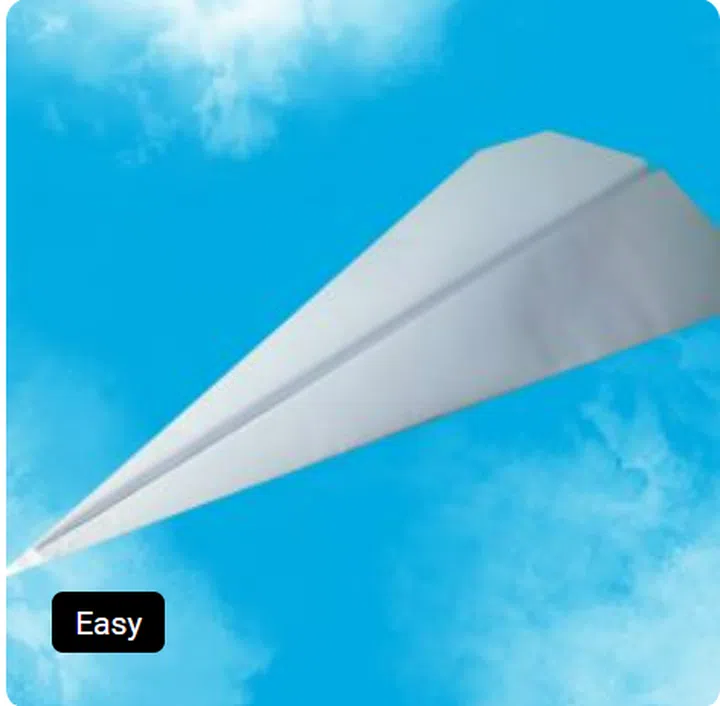
Get your kids to launch their paper airplanes and measure the distance travelled for different designs. Discuss with them why some designs can fly far and why some can’t. Get them to observe if there are certain designs that allow the airplane to float longer. The word ‘aerodynamics’ can seem daunting even to adults. But it’s worth exposing the kids to the concept, starting with how paper airplanes work.
Some resources for you to discuss the concept further with your older kids can be found here.
These seven activities that highlight some Science concepts can help to ignite your kids’ curiosity about everyday phenomena. With the holidays, it’s now time to get our kids busy observing the things in their surroundings instead! Not only can you get to spend more time with your kids, but also, witness their eyes light up when they discover new things about the world.