Supermum Tjin Lee's Parenting Trick To Help Her Dyslexic Son Will Make You Smile
Super parent and mumpreneur, Tjin Lee, is equipping her son with ways to defend himself against critics and bullies as he copes with a dyslexia diagnosis.
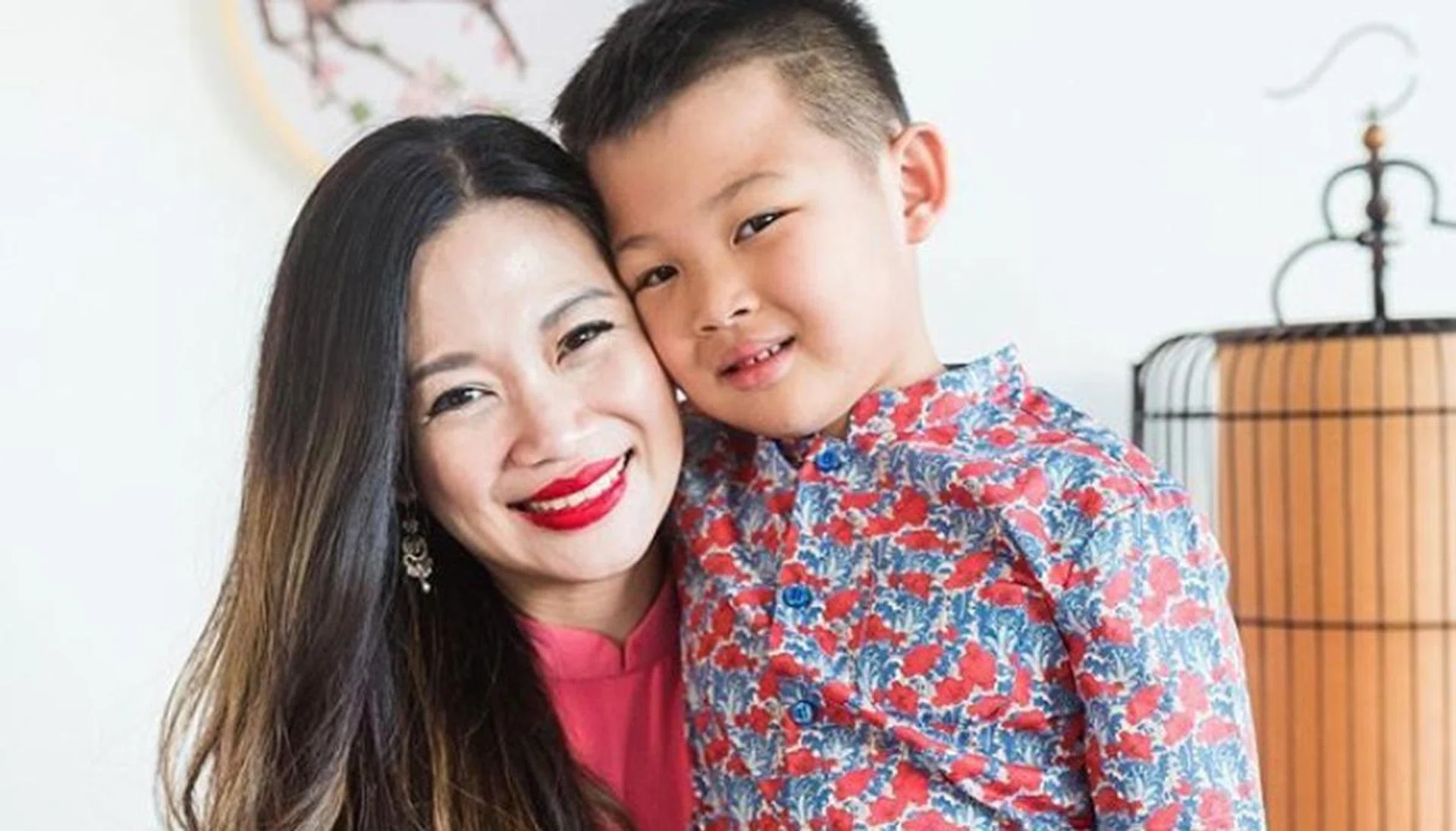
Entrepreneur Tjin Lee regularly posts photos of her precious kids Tyler Lim, six, and Jake, three, on her Instagram account.
Her 36,000 followers are familiar with their enviable jet-setting adventure and the amazing themed birthday parties that she put together for them.
Tjin is also an advocate for raising kids with good character over good grades. Last September, she spearheaded the Life Beyond Grades movement, which hopes to shift parents’ mindset away from grades in Singapore’s academic pressure cooker.
It turned out that the inspiration for Life Beyond Grades was actually sparked by Tyler’s learning struggles, Tjin shared in a recent interview with The Straits Times (ST).
Her first child was diagnosed in February this year with dyslexia.
Tjin noticed her son’s learning struggles last year, when he started to dislike going to kindergarten.
He told his mum: “I’m the slowest kid in class and everyone says I’m stupid.”
She knew that it is normal for some preschoolers to mix up letters like “p” and “q”. But earlier this year, when Tyler was writing a birthday card for a friend, she noticed that he had written virtually every letter the wrong way.
Tjin is equipping her son with ways to defend himself against critics and bullies.
“He has to be able to say to them, ‘I’m not stupid, I just see things differently from you,'” said Tjin, who is also the founder of the Mercury group of companies, which does marketing and events.
She says: “At first, I was distressed for my son and what he would have to go through, but after the initial worry had passed, I realised that dyslexia could be a gift.
“Some of the world’s great leaders have dyslexia – Hollywood director Steven Spielberg, artist Pablo Picasso and founding prime minister Lee Kuan Yew.”
Want to know more about dyslexia? Here, we shine a light on the disorder and answer some common questions:
All The Ways Joanne Peh Showed Us She Was a Strong, Successful Woman
6 Good Hygiene Habits Every Singaporean Parent Should Teach Their Kids
The One Mother’s Day Treat That Your Mum Will *Actually* Thank You For
Dyslexia is a severe reading disorder that individuals are born with, but is often incorrectly used as a general term to explain a range of learning difficulties.
Dyslexia runs in the family, so if your child is at risk for reading difficulties, while it may not prevent dyslexia, exposing your child to as much language, songs, rhymes and books is possible in the early years can often help.
Reading plays a pivotal role in all aspects of education. So having difficulty reading will affect everything in a child's life that relies on the printed word. This has roll-on effects in terms of poor self-esteem and potential behavioural problems.
There are about 20,000 primary and secondary school students who are dyslexic. An average of 1 to 2 students could be dyslexic in a class of 40. About 30 per cent may struggle to read but, for many of these individuals, there are reasons why they are having trouble (For example: problems with their vision or hearing, poor reading education).
Phonemic awareness (the ability to distinguish different sounds in a word) is one of the strongest predictors of dyslexia and can be assessed as young as 5 years.
Generally an educational psychologist is consulted and the child will take a series of tests to determine the child's abilities.
(Text: Venessa Lee, Straits Times / Additional reporting: Natalya Molok)