4 Ways To Get Your Kids To Brush Their Teeth
Here’s how to get them into the healthy teeth habit – without any nagging
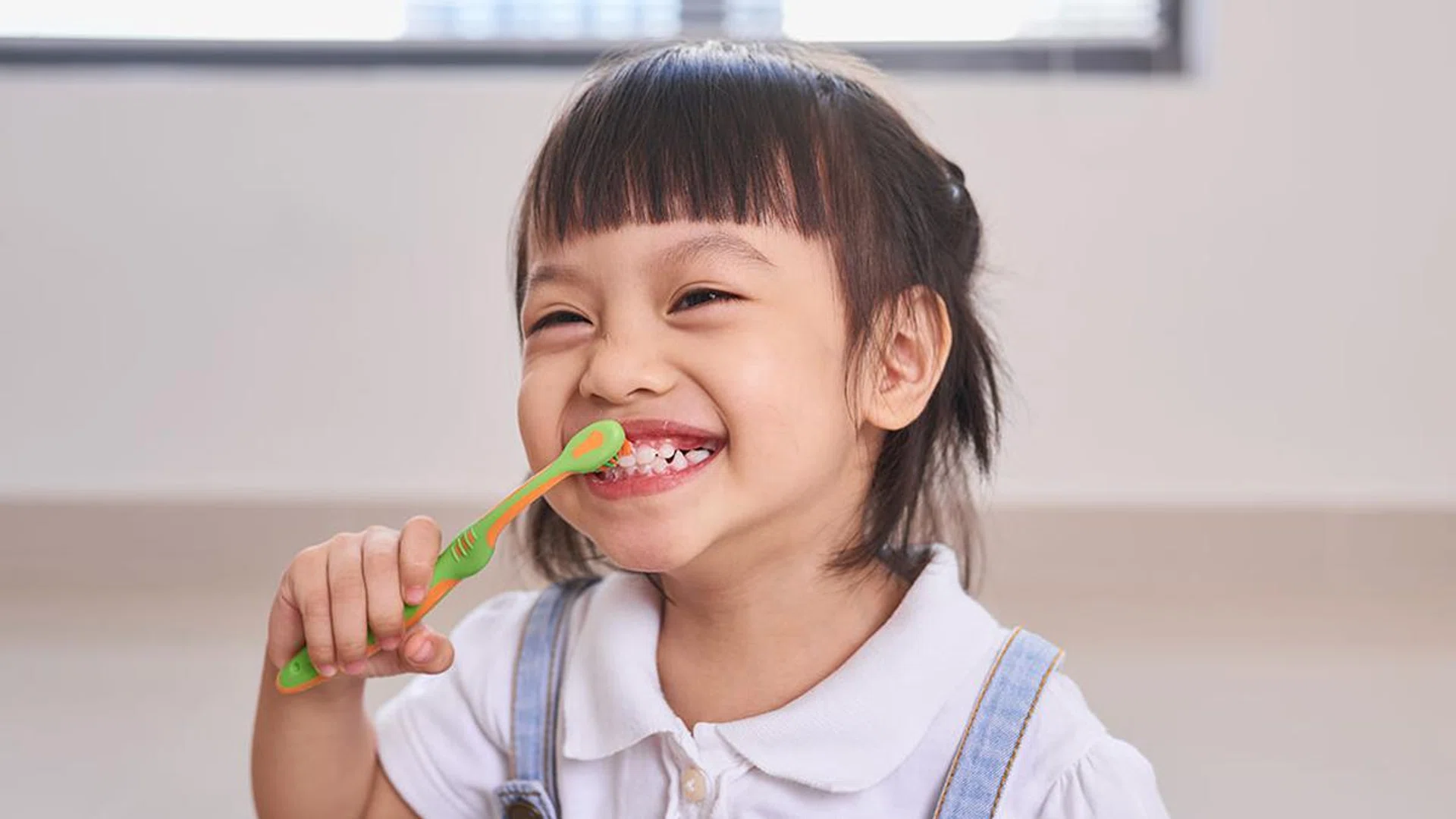
When you encourage your child to brush their teeth, you are setting them up for a lifetime of healthy gums and teeth. But it can be hard. Some kids are not used to a brush in their mouth. Other kids just do not see why they should stop playing to go and do something boring like brushing their teeth.
This is one reason that at least half of Singapore’s pre-schoolers – children aged six and below – have tooth decay. According to the National Dental Centre, many parents assume that a few cavities in baby teeth do not matter, because baby teeth fall out around age nine or 10. But problems with baby teeth can affect speech, gums and the development of adult teeth, making them more prone to cavities.
The Singapore Society for Paediatric Dentistry recommends that all children should see a dentist no later than 12 months of age. This is because a child’s “baby teeth” are important for eating and speech development. Plus healthy baby teeth help keep your child’s jaw healthy until their adult teeth come in at around age nine or ten.
To prevent tantrums and encourage good teeth brushing, here are tips from dental hygienist Emma Cubis.
It’s just like choosing a new toy, when you let a child pick their own toothbrush you increase the chances of them being motivated and interested in brushing their teeth. Choosing their toothbrush encourages feelings of excitement, ownership and curiosity.
Some kids are not too excited by having a brush in their mouth – it helps if you can give your baby a toothbrush as soon as they get teeth. You can buy special baby toothbrushes with super soft bristles. You do not need to put toothpaste on the brush. You can just use water and get your baby used to the idea of using a toothbrush.
You can begin using toothpaste when your child is old enough to spit – usually around age two or three. As your child grows more teeth you can use a small smear of toothpaste on the brush – about the size of a grain of rice is enough. You can buy special flavoured toothpastes for kids if you prefer but nowadays most dentists say it’s okay to use an adult toothpaste that contains fluoride, which helps to protect teeth from cavities.
Try to find a toothpaste flavour they like. Many toothpastes aimed at children are brightly coloured or come in tubes decorated with popular cartoon characters.
Use a spare toothbrush to “brush” and clean the teeth of their favourite toys. This role play can be a great way to encourage your child to brush their own teeth. When they see their toy’s teeth being cleaned, it motivates them to do the same.
You can seize the chance to show your child the right way to brush: clean back and forth using gentle strokes. Clean the outer tooth surface first, then the inner tooth, and the chewing surfaces of the back molar teeth. It can help to take your child to your family dentist just for a lesson in brushing techniques.
It’s essential to brush your teeth for two minutes to remove all traces of plaque. But it can be hard to keep track of time. There are many songs available on social media and Youtube that are especially made to keep kids interested for long enough!
Your child can watch the video and brush their teeth at the same time , which encourages them to clean their teeth for long enough. Good ones to try include;
Bruno Mars with Elmo singing Brushy Brush Your Teeth for Sesame Street
Tooth Brushing Song For Kids
Brush Your Teeth by Super Simple Songs
Brushing your teeth twice a day is essential for oral health, but some studies find that nearly 30 percent of adults do not brush their teeth before bedtime.
Young children love to copy their parents. Watching you brush your teeth will make them curious – and more likely to brush their own teeth. While you are putting toothpaste on your brush you can briefly explain why you're brushing your teeth; bacteria build up in our mouths after eating. They make acid which can break down the enamel of your teeth causing tooth decay and gum disease.
Science may work for older kids, but for younger children, it’s probably more effective to use a a sticker chart as an incentive. After your child has completed 30 days of teeth brushing you can reward them with something they like.
Text: Bauer Syndication/ ARE Media