How You Can Take Steps To Avoid Emotional Eating
Do you eat to feel better or reduce stress? These tips can help you stop eating your feelings and find more satisfying ways to feel better
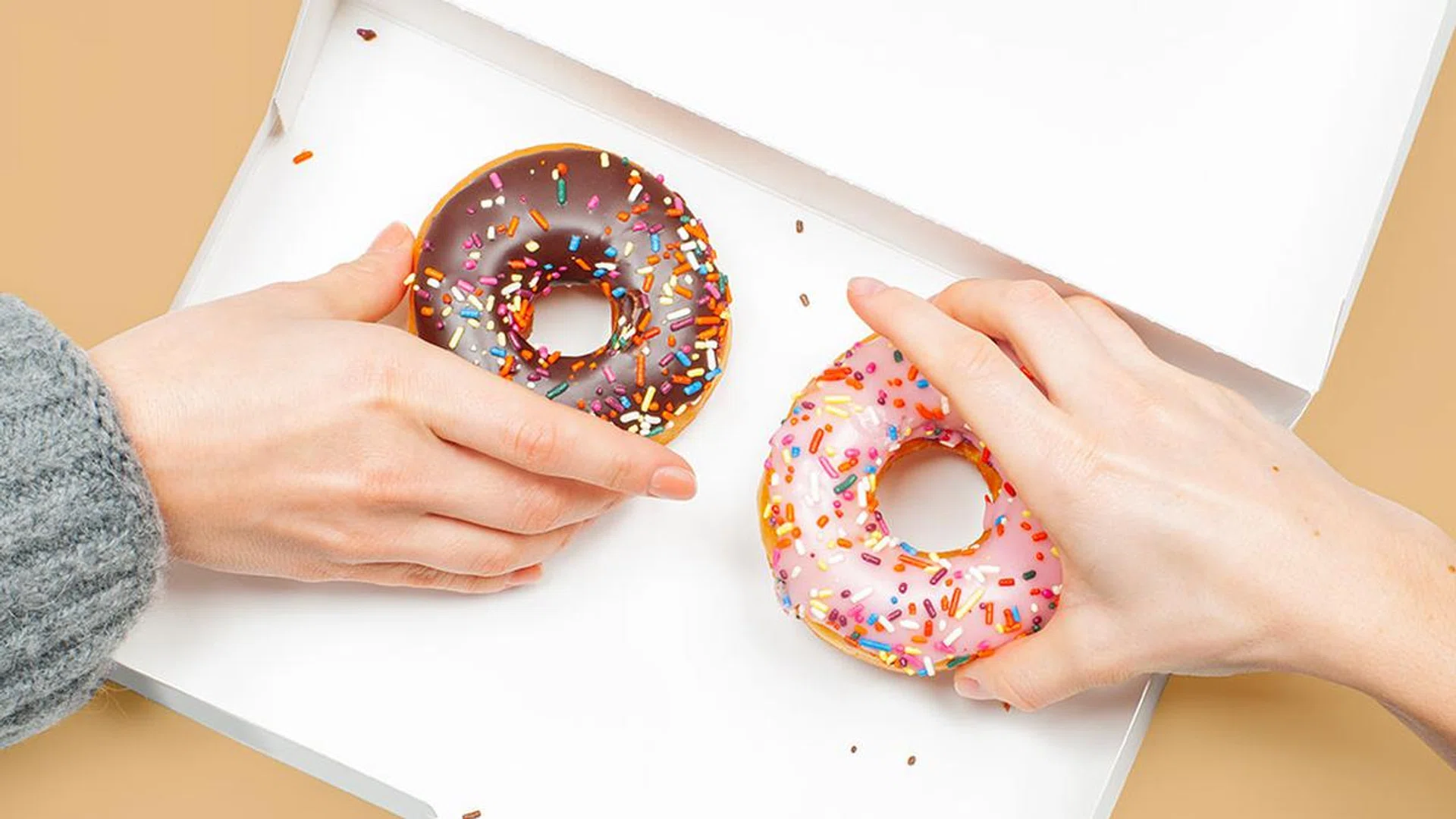
If you reach for chocolate or cake when you are sad or angry, you are not alone. Many women do. But why do we reach for cake when we are sad – instead of something healthy like spinach or fresh fruit? Emotional eating is not rare. The Germans even have a special word for it – Kummerspeck – It literally translates as “grief bacon”. In Singapore, 30 percent of us are overweight, while 10 per cent are obese - and you can bet some of that excess weight is grief bacon weighing us down.
Sugar and fat stimulate the reward centres in your brain and produce dopamine, the feel-good brain chemical, explains psychologist Sarah McMahon, who specialises in disordered and emotional eating.
High glycemic foods like sugar, white rice, white bread and white noodles are quickly absorbed by your body. This leads to brief feelings of calmness, followed by intense feelings of hunger, less self-control and the need for more, more, more. It’s like sugar and fat are addictive – you get a brief high then you need more. So while emotional eating starts as a way to soothe yourself it quickly becomes a habit that is hard to break.
Early humans needed this stimulation to lead them to calorie-rich sweet and fatty foods. Back in prehistoric times we needed as many calories as we could find to stay alive. But in modern times this drive to eat our emotions is leading to an epidemic of obesity.
Emotional eating is using food to make yourself feel better - it is using food to fill emotional needs, rather than to fill your stomach. Unfortunately, emotional eating does not fix emotional problems. It usually makes you feel worse and you probably also feel guilty for overeating.
Stress is one of the main reasons we eat when we are not hungry. A study by the American Journal of Clinical Nutrition found that women who faced stress at work were more likely to eat when they felt anxious or depressed. “When we do not feel safe and well we often instinctively believe food will help us,“ says Sarah McMahon.
Our body’s psychological stress response could have something to do with this. Studies show that the stress hormones cortisol trigger insulin production. In turn, this can impact your food choices, making you more likely to crave foods high in sugar or fat. These ingredients help shut down your stress response and sooth your mood.
And it is true a cup of tea and a meal with your family can help you calm down after a tough day. Food can be healthy and comforting. But what happens when you find you are “eating your feelings” so often that you are eating too many of the wrong foods, putting on weight, and damaging your health?
Firstly, try not to feel shame or guilt about this situation. Those feelings will only stress you more, and make you even more likely to turn to sugary or fatty foods. So your first step is to recognize what stresses you, and how it affects your body. Sarah explains, “Watch how your eating habits change when you are stressed. Just being aware is the first step for you. The you can go on to create a different way to cope.
“Next step is giving yourself some time. Before you reach out for food, go for a walk or climb the stairs at work to burn off some of the stress and feelings.”
Often, when you are caught in a cycle of emotional eating there is a tendency for your eating habits to become erratic. For example, you may try to skip meals to make up for the sweet treats you ate earlier. But starving yourself just makes you feel more out of control around food. “It helps to regulate your meals. Give yourself time for regular meals. This gives you the opportunity to respect your body’s natural cues, like hunger and feeling satisfied after eating.” It also helps to sit at a table and take time to eat off a plate or from a bowl, instead of standing up in the breakroom inhaling a snack. You deserve top spend time nourishing yourself.
Some people say it helps to remove trigger foods from your house – so if you are prone to eating cookies when you feel sad, do not have cookies in the house. But Sarah says that it’s more helpful to think about your emotions, rather than the food.
“Ask yourself, “What am I hungry for at this moment? Is it food? Or is there something else that would meet my needs?” You might find that you need personal space, or time to yourself or a hug much more than you need a snack.
Text: Bauer Syndication / ARE Media