Always Bloated & Gassy? This Can Worsen For Women Hitting 40
ICYDK, your gut health changes as you get older. Here’s what you can do about it
By Michelle Lee -
Share this article
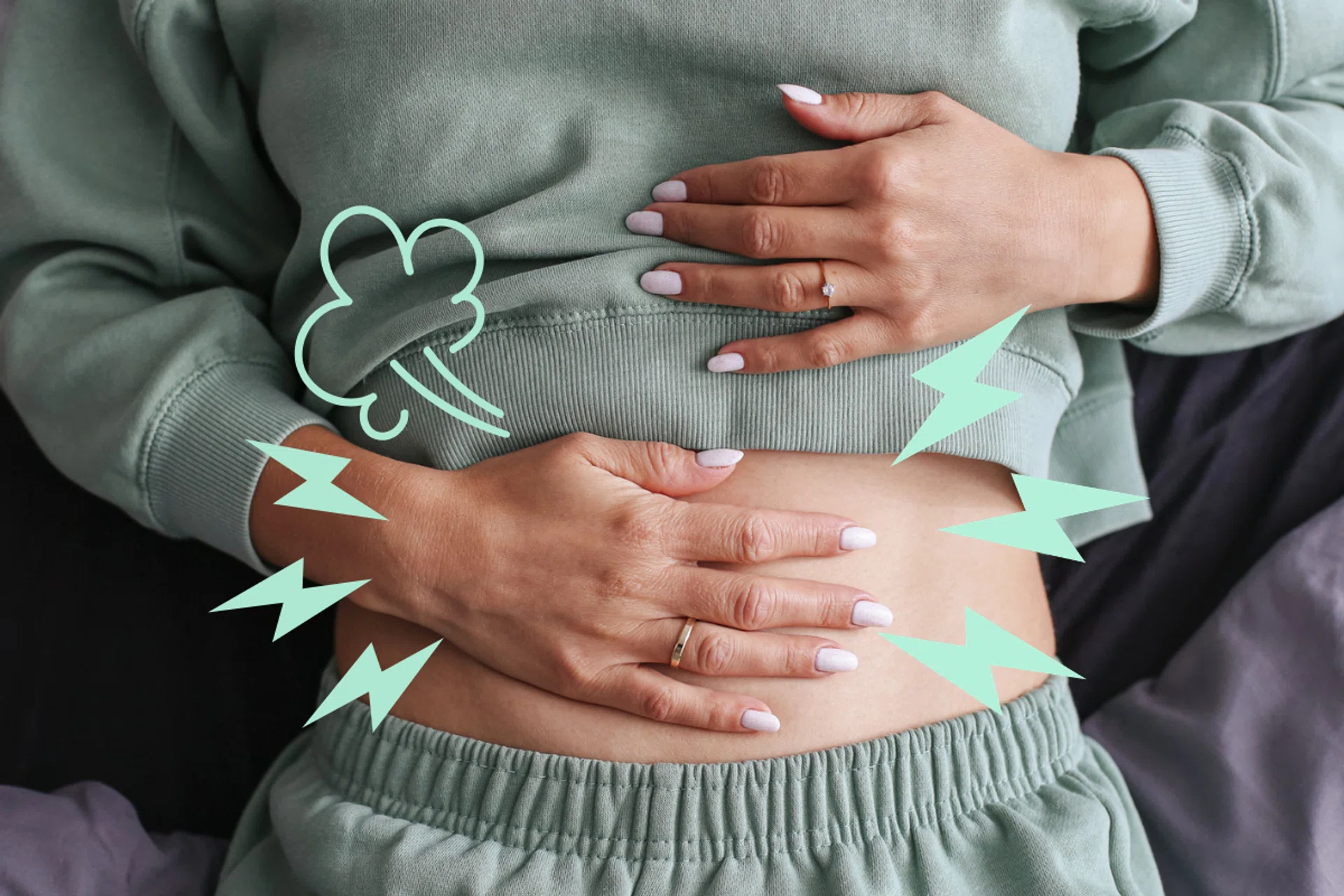
You know that feeling — when your belly feels uncomfortably tight and distended, and you feel the need to, well, get the gas moving along.
If you’re in your late 30s or 40s and you’ve started noticing that your gut has become... unreliable, you’re not imagining it. And you’re definitely not alone. Hormonal changes, stress, and shifts in your gut microbiome can all make bloating more common during this stage of life.
It could be linked to your gut health
Bloating is a common issue that can be caused by a myriad of reasons — in some cases, it may be as simple as eating too quickly, overeating, or consuming gas-producing foods such as beans and other legumes, which can naturally lead to increased gas and abdominal discomfort.
And for some people, it can be linked to specific food triggers or intolerances, such as lactose or gluten sensitivity, which can irritate the gut and lead to excess gas, cramping, and distension.
But beyond the food we eat, gut health also plays a significant role — bloating is often associated with an imbalance in gut microbiome (bacteria that helps regulate digestion), leading to excess gas production and slow digestion.
It could also be perimenopause
Perimenopause is the transition period for women, particularly in their mid-30s to mid-40s, before menopause, and also when hormones start to fluctuate. During this time, oestrogen and progesterone levels start to fluctuate erratically and eventually decline.
And it’s not just hot flushes or night sweats. As oestrogen fluctuates, it can slow gut motility — the speed at which food moves through your digestive system. Slower motility means food sits in the intestines longer, fermenting and producing excess gas. It can also cause the gut lining to become more permeable, exacerbate sensitivities to certain foods, and throw off the delicate balance of gut bacteria (your microbiome).
According to Kat Wong, a nutrition and health specialist at Nestlé, other symptoms of perimenopause include changes in your energy, sleep, bones, and even heart health.
How to tackle bloating
Get moving. For a quick fix, a walk can help stimulate digestion and encourage trapped gas to move through your digestive system. Regular movement also supports healthy bowel function in the long run. For busy mums, even 10 to 20 minutes of walking can make a difference.
Eat mindfully. If your bloating is caused by swallowing excess air or eating too quickly, slowing down can help. Chew your food thoroughly, eat without distractions where possible, and stop when you’re comfortably full.
Hydrate. Drinking enough water supports healthy digestion and helps prevent constipation, which is a common cause of bloating. Aim to drink consistently throughout the day.
Add probiotics to your diet. Probiotics can help support a healthy balance of gut bacteria, which may reduce bloating for some people. Include fermented foods like yoghurt, kefir, kimchi, sauerkraut, or consider other probiotic supplements or food products if appropriate.
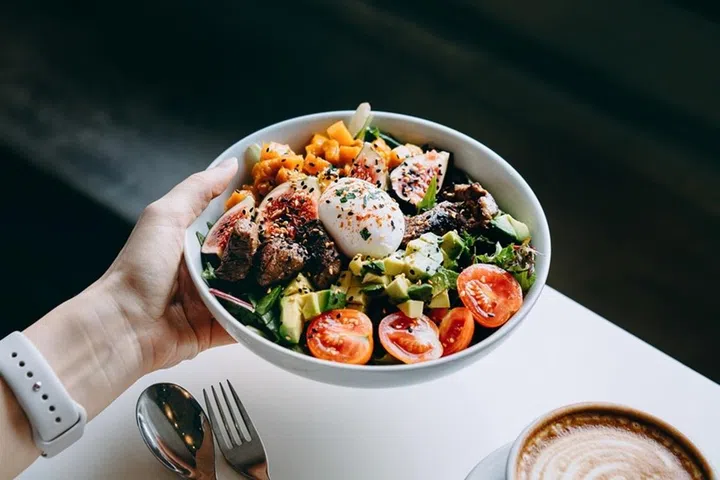
Add fibre to your diet. Fibre supports regular bowel movements and gut health. Increase your fibre intake gradually to avoid worsening bloating, since high-fibre foods can lead to gas. Good sources of fibre are fruit, vegetables (broccoli, sweet potatoes, and Brussels sprouts), legumes, whole grains, nuts, and seeds. Pair higher fibre intake with plenty of water.
Minimise highly processed foods and added sugars. These help feed the ‘bad’ bacteria in your gut. These foods may contribute to an imbalance in your gut microbiome, and increase gas and bloating in some people. Choosing more whole, minimally processed foods helps support a healthier gut environment.
Watch the video below for Kat’s tips to improve gut health and navigate perimenopause, and how nutritious drinks like Nestlé Omega Plus VitalCare can support you in your busy life.
Producers: Estelle Low and Maya Eman
Art direction: Michelle Lee
Videography, studio set-up and editing: Studio+65
Makeup: Sha Shamsi
Hairstyling: Kenneth Ong
Fashion styling: Rin Low
Outfit: Y21
Shoes: Charles & Keith
Jewellery: Deror Jewellery
This video is brought to you by The Singapore Women’s Weekly, in partnership with Nestlé.