
We Need To Get More Self Sufficient When It Comes To Food, Says Ivy Singh-Lim
Despite what authorities are saying, food security is still on Ivy's mind
By Ivy Singh-Lim -
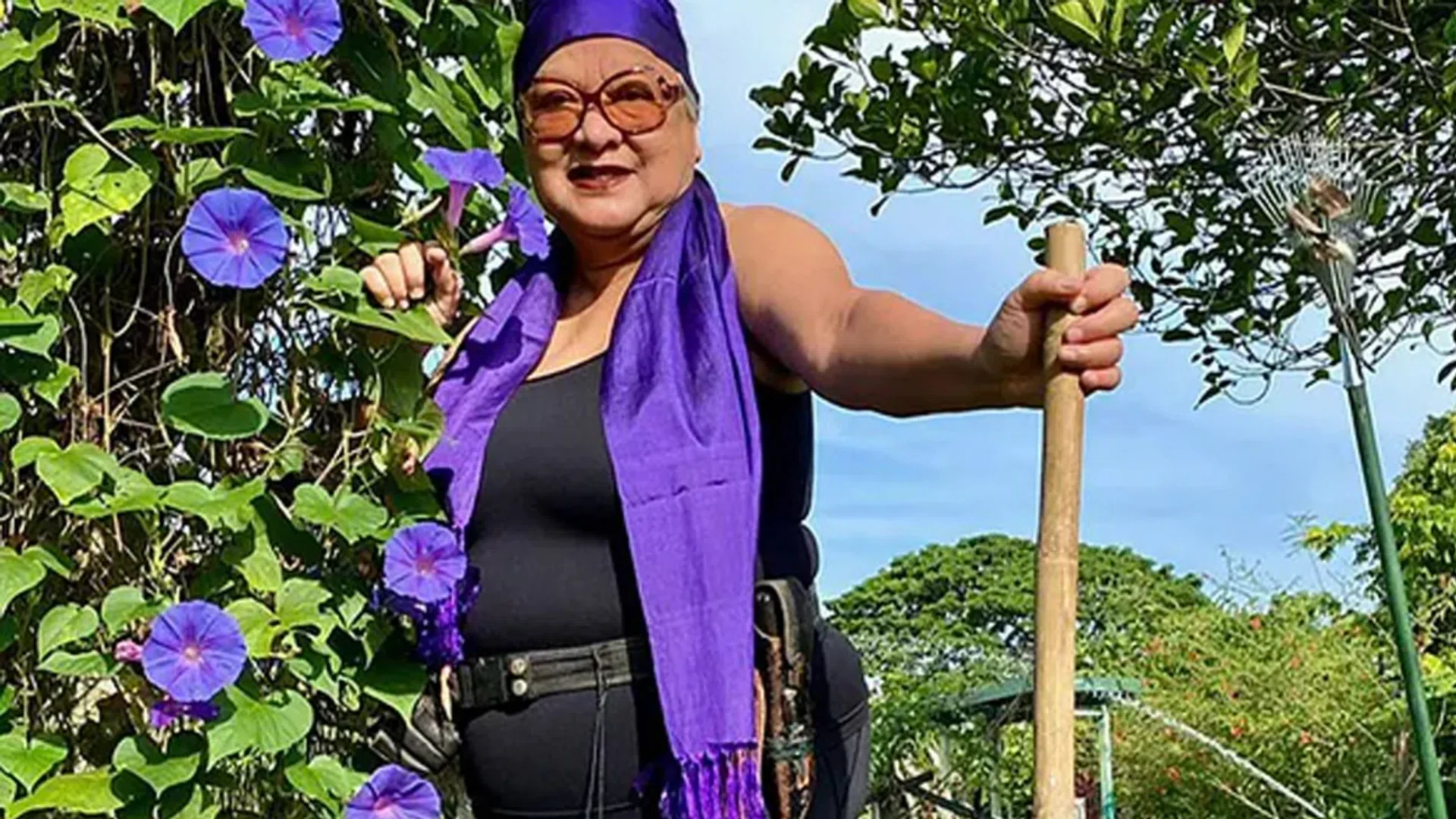
Singapore is a small country. This means that we often rely on other countries when it comes to food imports. This begs the question: with global restrictions on various types of food products, is Singapore facing a food shortage?
“I set up Bollywood Farms in 2000 because it offered my husband (Lim) Ho Seng and I the beautiful option of retiring in Singapore’s own countryside – the best place to be is in one’s own motherland, after all. I didn’t think about food security back then, but now I do, even though authorities say that we are the most secure despite importing 90 per cent of our food.
Despite the global restrictions on chicken, wheat, sugar and oil, I don’t believe we have a food shortage. That said, I do think we need to relook at Singapore’s food productivity. We don’t need to panic, but we need to make adjustments. We are blessed to live in this paradise under the sun. But we’re using our land and sea for golf courses (2 per cent), roads (12 per cent), military activities (20 per cent). We can do better and rebuild our circle of life.
The government has a 30 by 30 initiative, to produce 30 per cent of our nutritional needs by 2030. There are many ways we can do it: We need an agriculture minister who is well trained and experienced in this area to understand the situation on the ground. We should think about building farms overseas that are owned by Singapore, and get our food from there. We should also re-look productivity: One way to increase production is to reduce food waste. If we can cut waste drastically, then we can produce less.
There is definitely a lot of hype in the newspapers about countries wanting to keep their food production for themselves and inflation issues. All this, to me, is an impetus for the government to allocate resources to achieve this goal. What can be done? Governments should look at subsidising skills and productivity. In fact, there is a real labour issue. But, there is a mathematical solution to this problem: look at the acreage of the farm, what can be produced, and allocate manpower accordingly.
A great example is Israel. Only one per cent of the population is involved in growing food for the entire population, and despite only 20 per cent of their land being arable, they have managed to produce 95 per cent of their population’s food requirements.
Every HDB estate can be a farm – we can collect water in ponds, and grow fish and edibles. I don’t mean urban farming, as it doesn’t make sense to transport soil all the way to a rooftop. Roofs should be used for water storage and solar power. HDB estates can be used to grow bananas, tapiocas, jackfruit and more, just like we do in Kranji.
We also have plenty of land dedicated to NParks – they can be used to plant sustainable, useful and productive (SUP) gardens. Moreover, instead of buying expensive plants to plant along the expressways bordered by forests, we can use this space into cycling or walking paths and even motorcycle paths, and plant cherry trees for shade and for bird fodder.