Singaporeans Share Their Hopes For A More Disable-Friendly Society
Singaporeans share their hopes for a more welcoming and inclusive society for persons with various disabilities
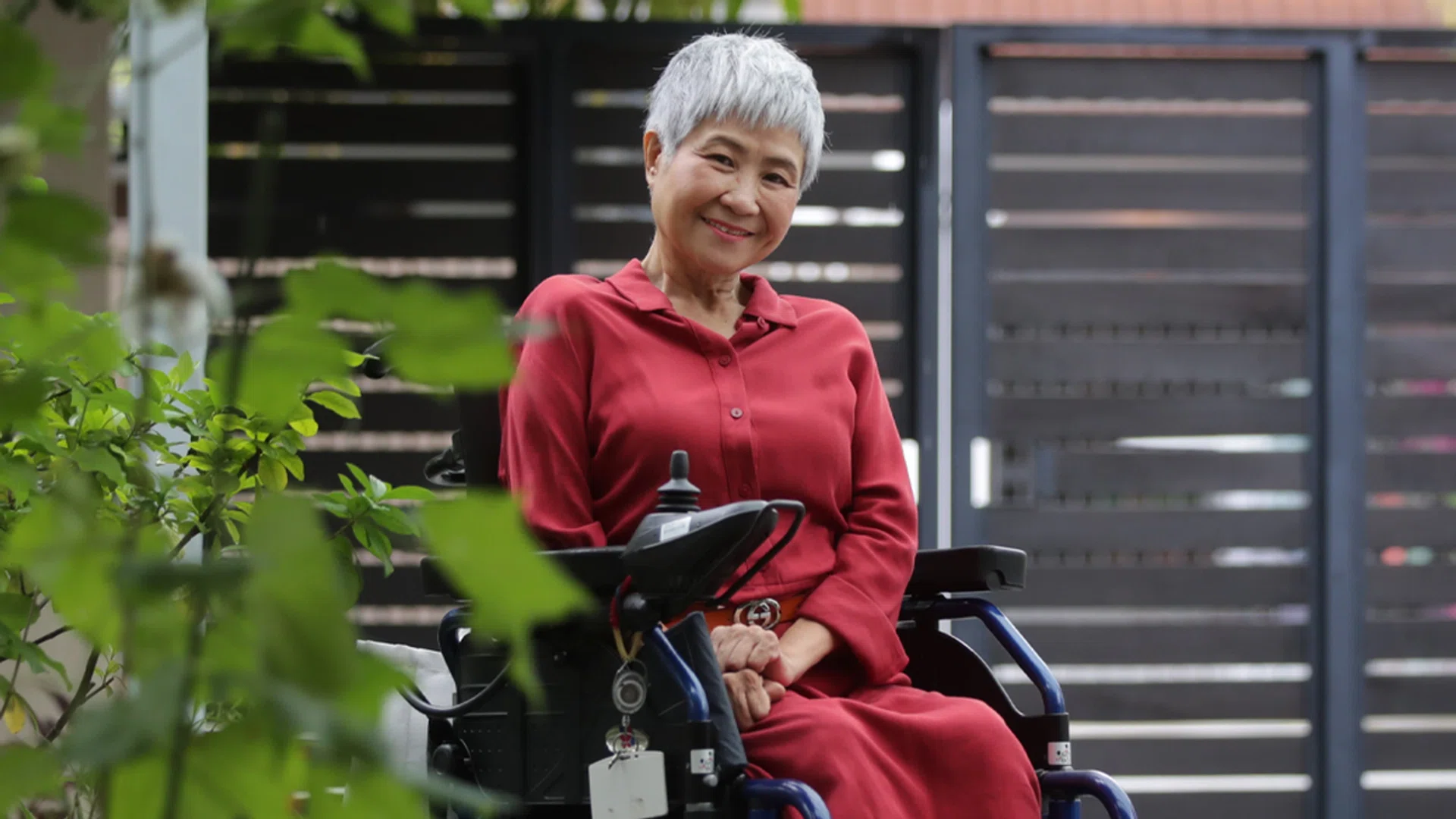
The latest roadmap for disability inclusion here was released in August, with a slew of recommendations ranging from employment and education to caregiver support and inclusion in public spaces. The Sunday Times invited four people to share their thoughts on Singapore's plans to be a more welcoming place for people with disabilities by 2030.
"Looking forward to even more inclusive public spaces"
- Mr Alister Ong, 29. Manager, diversity, equity and inclusion client solutions, at Michael Page Singapore. He has cerebral palsy.
In the recent launch of the Enabling Masterplan (EMP) 2030, the policies about and commitment to inclusive public spaces really resonated with me.
This would enable persons with disabilities to carry out daily activities independently and fully integrate into society.
With inclusive public spaces, persons with disabilities have greater access to education, healthcare and community places where we can interact with society.
Read more here
'Employment is not just about numbers, but dignity'
- Ms Chia Yong Yong, 59. Consultant, Foo Kwok LLC. Enabling Masterplan 2030 steering committee member. She has peroneal muscular atrophy.
I had high hopes of being a lawyer. But there was a time I despaired of even being employed for clerical work.
I had graduated from law school but was one of the last in my cohort to find a training place. It was not until the late Mr Harry Lee Wee, one of the top litigation lawyers in Singapore, took me in as his pupil that I thought I had a chance.
Yet, after I was called to the Bar, I could not find employment. Mr Wee retained me until I found employment several months later.
Read more here
"All-day audible traffic signals for visually impaired"
- Mr Chong Kwek Bin, 41. Former head of advocacy at the Singapore Association of the Visually Handicapped. Enabling Masterplan 2030 steering committee member. He has visual impairment.
One of the initiatives in the Enabling Masterplan 2030 that caught the attention of many was the announcement of all-day on-demand audible traffic crossings, which would aid visually impaired pedestrians in travelling independently and safely.
The individual components of this set-up are not new.
First, there is the standard audible traffic signal, which comprises the crossing signal - the loud tone that signals it is safe to cross which most people would be familiar with.
Read more here
'More support needed for families and caregivers'
- Mr Majeed Khader, parent and caregiver to a 19-year-old boy with autism
As the parent of a 19-year-old high-needs autistic son, I am grateful to the Enabling Masterplan 2030 committee.
Parents have looked forward to many of the proposals, though we hope that most of the interventions will happen sooner rather than later.
First, the masterplan's goal of a 40 per cent disability employment rate is inspiring and empowering for those who have the potential to be employed. However, it could do more to address the needs of those who have neither the ability nor disposition to work or be employed, due to physical or mental difficulties.
Read more here
Text: The Straits Times