Are Your Ageing Parents Eating Less? Don’t Ignore It
From muscle loss to a weakened immune system, a poor appetite can take a toll on their health as they age
By Michelle Lee -
Share this article
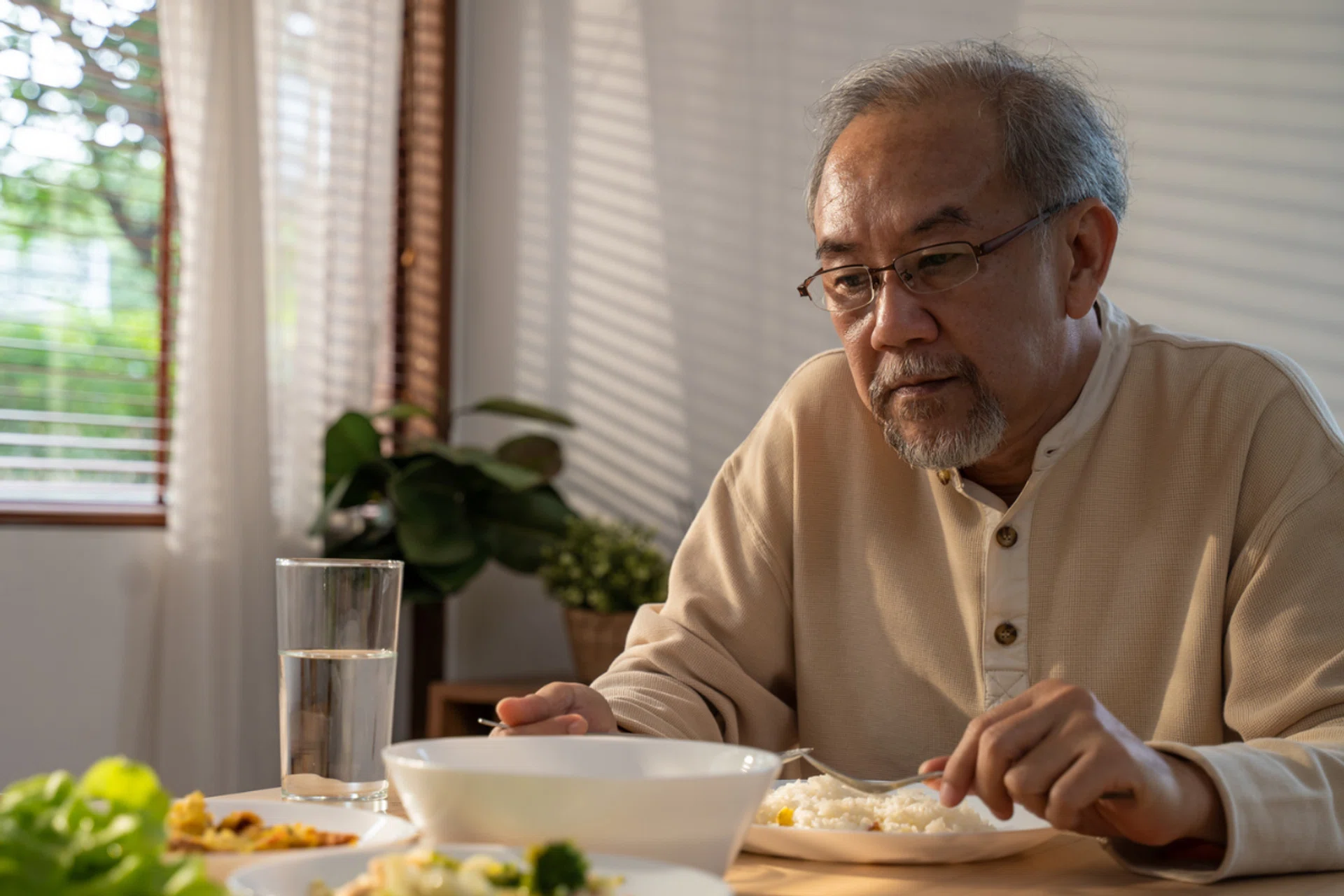
Is it normal to lose appetite with age? If your elderly parent seems to be eating less or getting picky about their food, it may seem like a fairly common occurrence, but don’t write it off just yet.
While ageing can affect the appetite, a persistent loss of interest in food could be a sign of an underlying health issue, nutritional deficiency, or emotional distress. Eating less over time can also lead to unintentional weight loss, muscle weakness, and reduced independence.
Your concerned questions may be met with a “No lah, I’m okay,” but getting to the root of their reduced appetite is the first step towards maintaining their health and quality of life.
What could contribute to a loss of appetite with age
- Changes in taste and smell: Food may no longer taste or smell as appealing.
- Dental problems and difficulty swallowing: Missing teeth, poorly fitting dentures, dry mouth, or swallowing difficulties can make eating uncomfortable.
- Reduced mobility and fatigue: Shopping, cooking, and preparing meals may become physically exhausting.
- Medication side effects: Certain medicines may cause nausea, dry mouth, constipation, or reduced appetite.
- Underlying health conditions: Chronic illnesses, digestive problems, and other medical conditions can affect hunger and food intake.
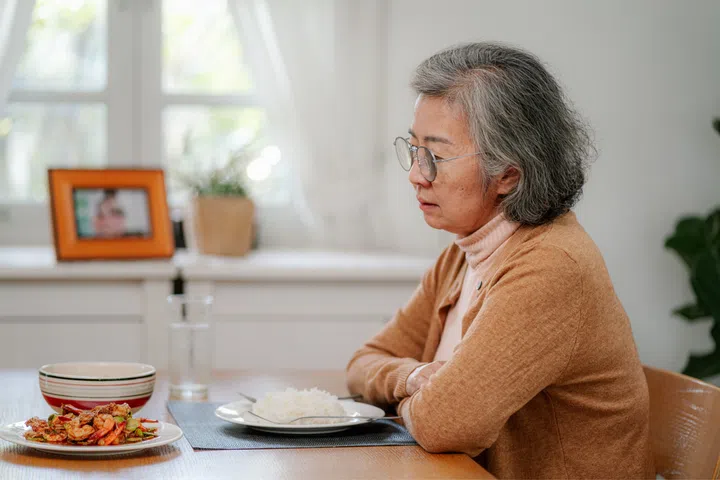
- Emotional and social factors: Loneliness, grief, depression, or eating most meals alone can reduce interest in food.
When you need to be concerned
A reduced appetite becomes more concerning when it starts affecting an older adult’s nutritional status, physical strength, or ability to carry out everyday activities. Here are some warning signs to look out for:
Muscle loss and weakness, sarcopenia
As we grow older, we can progressively lose skeletal muscle mass, strength and physical function — a disorder known as sarcopenia. In Singapore, this is reported to affect nearly one in three Singaporeans aged 60 years or older, and can start as early as 30 years old.
If an older adult consistently eats too little, they may not get enough protein and energy to maintain their muscles, which in turn accelerates muscle loss. It’s especially so if they have reduced physical activity or have an underlying illness.
What to look out for? Signs like weaker grip strength, slower walking, and increased difficulty with everyday tasks or movements (like getting up from a chair) can all point to sarcopenia.
If your ageing parent is losing strength or struggling with mobility, it may be time to speak to a healthcare professional about an assessment and suitable interventions.
Increased risk of falls and breaking bones
When they lose muscle mass and strength, even simple everyday habits such as getting out of bed or walking to the bathroom can pose a risk — they may find it harder to steady themselves when they stumble, increasing their risk of falls.
Age-related bone conditions such as osteoporosis can cause bones to become weaker and more fragile, increasing the likelihood of a fracture even if it’s a relatively minor fall.
For an older adult, a serious fracture, particularly a hip fracture, can have far-reaching consequences. Recovery may take months, and some may experience a lasting decline in mobility and independence. A period of reduced movement during recovery can also lead to further muscle loss, creating a difficult cycle that is harder to break.
Weakened immune function
When your parent is also eating less, they may not be getting enough of the nutrients their body needs to support immune function.
A prolonged lack of essential nutrients, including protein, vitamins and minerals, can contribute to malnutrition, which may further compromise the body’s ability to defend itself and repair damaged tissues. This can be particularly concerning for older adults with existing chronic health conditions.
If they fall ill more frequently, take longer to recover from an infection, or struggle to regain their strength after being unwell. While these signs can have many causes, they are worth paying attention to, especially when accompanied by a persistent loss of appetite or unintentional weight loss.
Persistent fatigue and reduced energy
Not eating enough can leave older adults feeling tired, dizzy, or lacking the energy to complete daily activities. They may become less interested in hobbies, social outings, or even getting out of bed.
This can create a difficult cycle: eating less leads to lower energy, while fatigue makes shopping, cooking, and eating regularly more challenging.
Persistent fatigue should be assessed by a healthcare professional, as it may also be associated with anaemia, dehydration, medication effects, or other medical conditions.
What adult children can do
With juggling our careers, kids and everything else in between, it can be difficult to be there for our parents at every mealtime. But even if you can’t manage their meals every day, there are simple, practical ways to help them get the nutrition they need.
Focus on nutrient-dense foods, especially high-protein and calcium-rich options
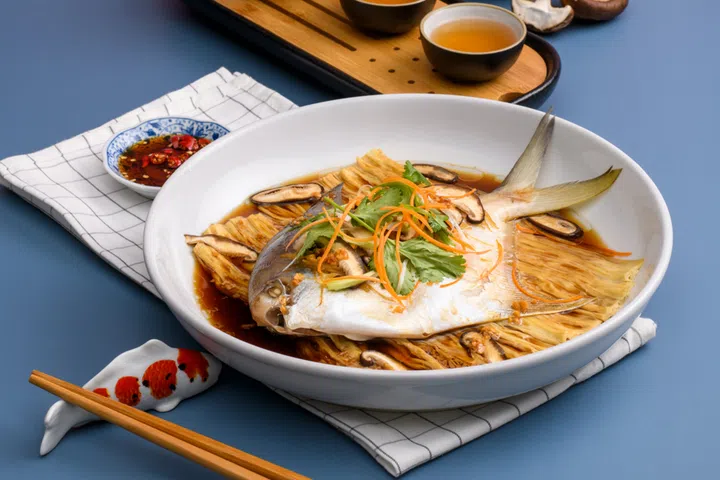
Make the most of the meals you prepare or the groceries you buy for your parents. Include protein-rich foods such as eggs, fish, lean meat, tofu, and dairy products to help maintain muscle strength and slow age-related muscle loss. Calcium-rich foods can also help support bone health and reduce the risk of fractures as they age.
If your parents have difficulty chewing, a sensitive stomach, or lactose intolerance, look for softer food options or lactose-free alternatives that suit their needs.
Encourage simple movements and strength exercises

Depending on their mobility and fitness levels, they can start with simple, low-impact activities. Think walking, gentle stretching, or chair exercises. They should also consider adding light weights to their routine to help build muscle strength.
Regular movement can also improve balance and stability, reducing the risk of falls. Encourage your parent to start slowly and gradually increase their activity based on their tolerance. If they have existing health conditions, mobility issues, or are at risk of falling, consult a healthcare professional about suitable exercises.
Encourage more prebiotics and probiotics in their diet
“Probiotics and prebiotics are also important for a healthy gut,” says Pindar Zeng, group application manager at Nestle Singapore. Probiotics are good bacteria for your gut, while prebiotics help probiotics thrive. Together, they maintain a healthy digestive system.”
Good sources of prebiotics include garlic, onions, leeks and oats. For probiotics, go for yoghurt, kefir, miso and sourdough bread. Supplementary foods or drinks with added prebiotics and probiotics also help. Those with sensitive stomachs or those new to supplements should introduce them in low doses to allow the gut microbiome to adjust to new bacteria and minimise side effects like bloating or gas.
Encourage your elderly parent to eat more without pressuring them
- Eating with family members or friends in a communal setting can make meals more enjoyable. When possible, arrange shared meals or regular visits during mealtimes.
- If your parent lives alone, consider whether someone can help with grocery shopping, meal prep, or checking that they are eating regularly. Food delivery services may also help when mobility or fatigue makes cooking difficult.
- Serve familiar dishes or foods they enjoy. Consider adjusting flavours, temperatures, and textures to suit their preferences. Making mealtimes relaxed and allowing enough time to eat can also help.
- Stock up on nutritious options that are easy to eat and consume.
Watch the video below as Pindar explains how our nutritional needs change with age, which nutrients our parents may be lacking, and how everyday choices and nutritious drinks like Nestle Enercal Complete can support their well-being.
Producers: Michelle Lee and Maya Eman
Videography, studio set-up and editing: Studio+65
Grooming: Dorcas Yam
Fashion styling: Rin Low, assisted by Crystal Lim
Outfit: Stylist’s own
This video is brought to you by The Singapore Women’s Weekly, in partnership with Nestlé.