8 Must-have Sauces and Condiments for Asian Cooking
Here are some essential sauces and condiments to elevate your Asian dishes and also keep in your kitchen cabinet
By Simone Wu -
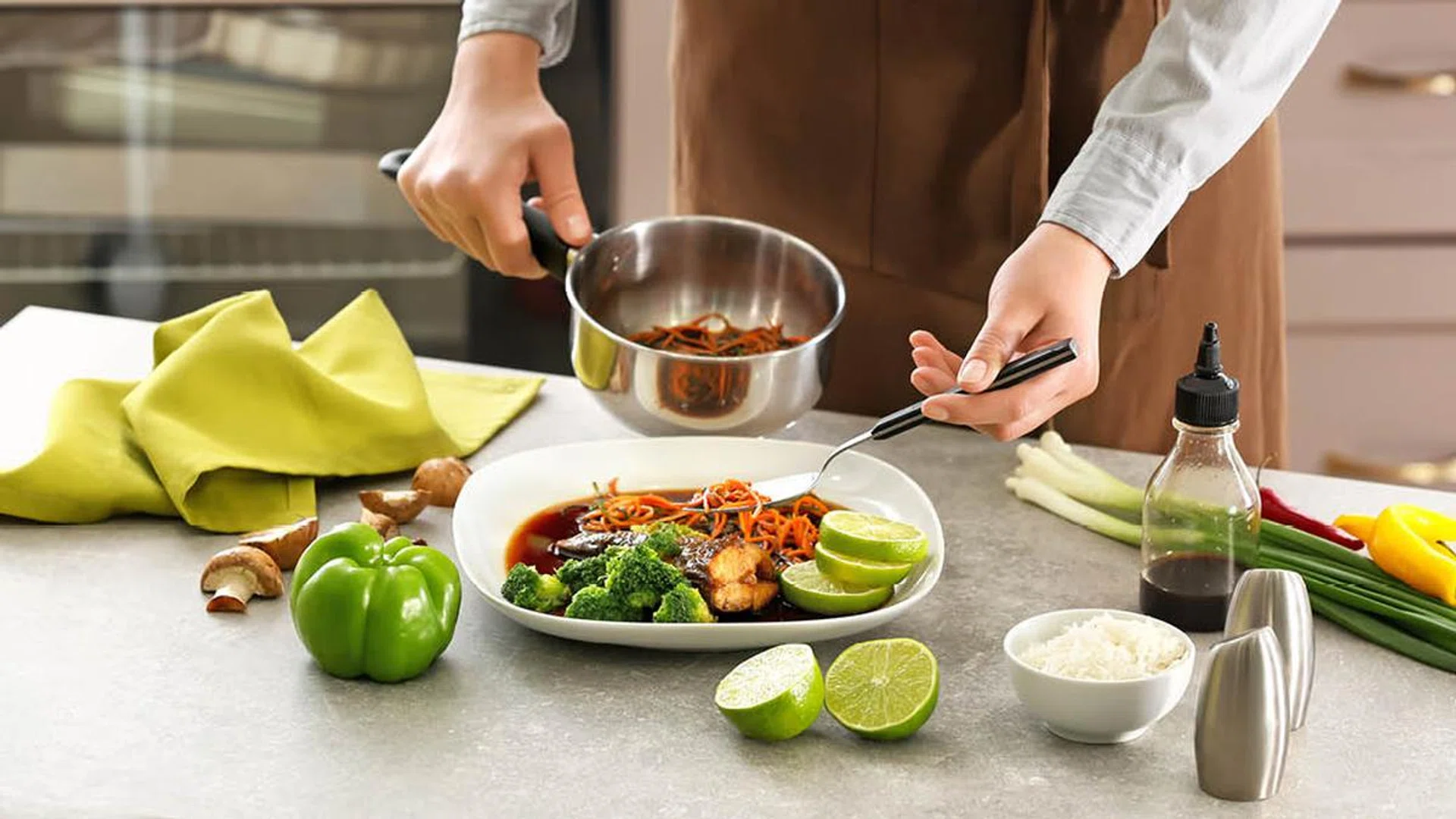
Sauces and condiments make the backbone of many Asian cuisines. Whether you're frying rice or noodles, stir-frying vegetables, steaming tofu or making soups, sauces add flavour and fragrances to your dishes. And they are easy to incorporate into daily cooking. In addition, some sauces can be used as marinates. Others double up as dipping sauces. Here are some essential sauces and condiments for Asian cooking to keep in your kitchen cabinet.
A fundamental ingredient in Thai cuisines as well as Vietnamese food, fish sauce is used to marinate meats and fish, flavour noodle dishes (it's used in pad thai) and can also be utilised as the base of a dipping sauce with freshly chopped chilli and lime juice. Made from a mixture of fish and salt, the fermentation process can take up to two years. While most fish sauces use anchovies, others are also known to create the fish sauce from krill, mackerel or shrimp.
Touted as one of the best fish sauces in the world, this Vietnamese fish sauce is made with just two ingredients: black anchovy and sea salt. Rich in B vitamins and minerals, the intensely flavoured savoury sauce has no added water, preservatives or shellfish.
A sweet soy sauce originally from Indonesia, kecap manis is made from soybeans, sugar and various spices. It is used as a dipping sauce, a BBQ glaze as well as for cooking dishes, such as nasi goreng, fried noodles and stir-fries. If you want a homemade sauce, there are many recipes online to help you perfect the taste you like.
This popular kecap manis is a thick and rich sweet soy sauce that adds a sweet fragrance and a just-sweet-enough flavour to any dish.
Made from fermented soybeans, soy sauce is a must-have in any Chinese kitchen. It is used for cooking and as a base for dipping sauces with chopped chillies. A light soy sauce doesn't mean that it is lighter in taste or has less sodium, it just has a different consistency from dark soy sauce. However, low sodium options are now available - do check labels before making any purchase.
Try: Nanyang Sauce Premium Brew Light Soy Sauce, $12 (500 ml).
Made with non-GMO soybeans, this soy sauce is a result of soybean fermentation over a period of nine months. A tradition that has continued since its conception in 1959. This offers a rich soy flavour and aroma to delicately enhance the taste of any dish.
Compared to light soy sauce, dark soy sauce is thicker in texture and sweeter in taste. Like light soy sauce, it can be used for cooking as well as a standalone dip. Dark soy sauce is often used to marinate meat and to flavour dishes, such as in char kway teow and fried carrot cake.
Try: Kwong Woh Hing Factory Premium Dark Soya Sauce, $6.80 (100ml), $11.30 (375 ml).
This 73-year-old proudly-Singaporean sauce company creates one of the most complex and flavourful dark soy sauce. This condiment is thick, subtly sweet and not overwhelming.
While sesame oil can be added when cooking a dish, it is often added at the end to flavour the dish as it has a high smoking point. It can also give added flavour to your noodles and soups. Try elevating the taste of plain instant noodles with a dash of sesame oil next time and you'll know what we mean.
Made from high-quality roasted sesame seeds, this richly-flavoured sesame oil packs a punch with an incredibly nutty and addictive aroma that makes your food smell so scrumptious. Adding a depth of richness to each dish, this essential oil in Asian cooking also contains natural antioxidants and omega-6 fatty acids that are known to boost your heart health and lower blood pressure.
Commonly used in Chinese cooking, the oyster sauce is made from oyster extracts and seasoning and doesn't actually taste like oysters. It does, however, come packed with a full-bodied richness that is pure umami. This versatile sauce is used for stir-fried vegetables, fried noodles and braised tofu, and as you cook, it transforms into an accompanying sauce with the dishes that taste wonderful with steamed rice.
Add this flavourful sauce concoction to boost the flavour profile of your marinades for grilled meats or roasted vegetables. A great flavour booster, a little dollop of the Lee Kum Kee Premium Brand Oyster Sauce goes a long way to thicken soups and infuse flavour into stews.
Made from fermented glutinous rice, this has a smoky-sweet-sour flavoured sauce and a thick texture. It is used in marinating meats and cooking spicy-sour dishes as well as sweet and sour ones. Some brands may label it as black rice vinegar, black vinegar or black sweet rice vinegar.
Good for marinades, this is sweetened with red dates to create an aromatic flavour for braising meats and cooking dishes like braised pork belly and black vinegar pork trotters.
Zhenjiang vinegar or Chinkiang vinegar is also a rice-based black vinegar widely used in Chinese cuisine. Unlike the other black rice vinegar, the Zhenjiang vinegar is a savoury-tangy black vinegar and comes in a watery texture. It is more commonly used as a dip for foods like meat dumplings. Think of it as the Chinese version of vinaigrette.
While it doesn't say "black rice vinegar" on the bottle labels, it is also black in colour and made from rice. So if you're not familiar with black rice vinegar in general, don't just grab any bottle of the shelves. Give the bottle a shake: if the texture is like water, it is the tangy one. If it's thicker, it is the sweet one.
Serve this as a dipping sauce with sliced ginger, and eat it with meats. It is also commonly used to enhance the flavour of Chinese hot and sour soups.
All prices are accurate and items in stock as of the time of publication.