
Jailed While Pregnant, Here's How A Then Teen Mum Raised Her Son In Prison
Now 38 years old, Ms Hannah Chun was only 18 when she was caught abusing ketamine
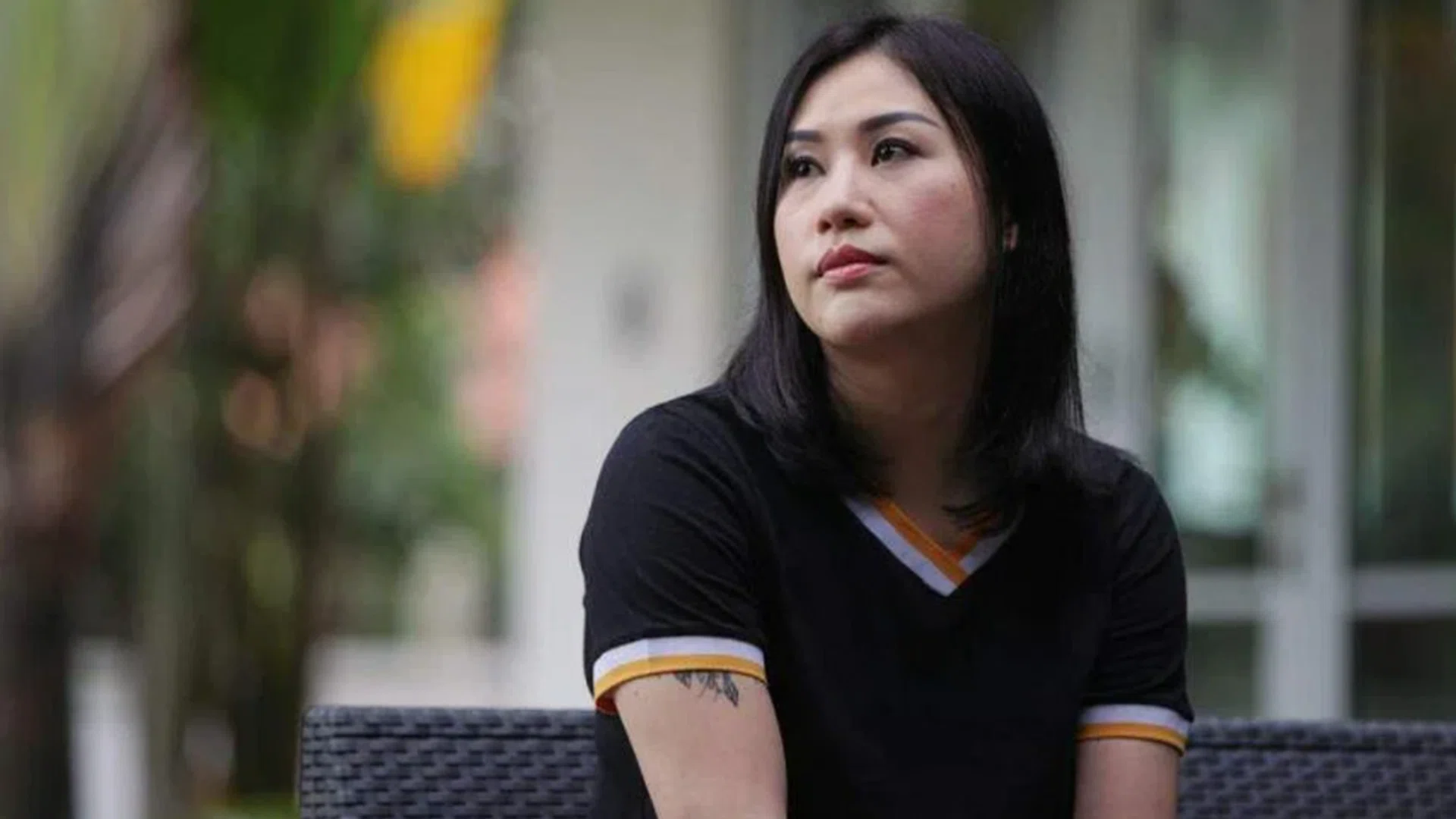
SINGAPORE - Her son is now 20, just two years older than when Ms Hannah Chun was pregnant with him and sent to jail for abusing ketamine.
Ms Chun, now 38 and a mother of four children, was arrested during an anti-drug operation in 2003.
She found out she was pregnant while waiting for her case to be heard before the courts, and stopped taking drugs out of fear it would affect her unborn child.
“I was already jailed once when I was 17. But I was addicted to ketamine, and went back to jail a year later.
“When I was sentenced the second time, I was five months pregnant.”
She was sentenced to two years in jail.
In prison, she attended monthly check-ups, which were increased to weekly during the last month of her pregnancy.
When she reached full term, she was warded at KK Women’s and Children’s Hospital, where she gave birth to her son. Fortunately, he was healthy.
“I went through labour like any other person. The only difference was that I had my ankle cuffed to the bed and two prison wardens monitoring me,” she recalled.
Two days later, Ms Chun returned to prison with her son. She and her baby shared a cell with another mother and her baby.
“I essentially raised my baby from that cell. He had a small mattress to sleep on, while I slept on a straw mat. I bathed him with tap water, which was sometimes cold.
“This was how all the other prisoners used to clean themselves,” she said.
“Even though I understood that I was in prison for a reason, raising my baby from behind bars made me realise that I should have been a better mother for my son. I didn’t want him to follow in my footsteps.”
When Ms Chun’s son was a month old, he began to suffer severe rashes on his skin.
“There was no proper care for the baby, so I let my sister take care of him while I served my time,” she said. “It was tough, but the right decision to make.”
Her sister was 22 years old at the time, and visited Ms Chun twice a month with the baby for the rest of her jail term.
“Having to give up my baby was a turning point for me. I told myself it would be the last time I would be behind bars. I had to make my life right for him,” she said.
Ms Chun, who has two other boys, aged 11 and eight, and a four-year-old daughter, now volunteers at non-profit organisations to speak to women who are struggling with drug addiction.
She is concerned about mothers who abuse drugs, adding: “I know many mothers who take drugs are trying hard to quit, but when addiction is involved, it is easier said than done.”
Ms Chun, a housewife, said she relapsed in 2007, two years after being released from prison.
But she was determined to give up drugs after seeing her son, then three years old, mimicking her behaviour of smoking cigarettes.
She finally managed to kick the habit in 2009.
“I hope these mothers realise that they need to seek help early, and if they are separated from their children for a while, it is only for the best.”
Ms Chun said she is heartened that there are more programmes now to support women who have children and are going through struggles with addiction.
“I am looking into spending the next part of my life creating a safe place for such women to rebuild their lives and be able to fulfil their roles as mothers.
“It may not necessarily be a programme, but a safe space where they can seek refuge, so these mothers can ultimately be present for their children,” she said.
The Singapore Prison Service (SPS) said it “recognises that a stable family is a key factor in enabling successful rehabilitation and reintegration of offenders”.
It works with community partners which specialise in working with inmates’ families and children to provide programmes and services for them.
These programmes include the Initiative for Incarcerated Mothers and Affected Children by the Singapore After-Care Association.
SPS said: “It provides an avenue for the mothers to relay concerns about their children while its personnel looks into the safety of the child and assesses caregiving arrangements through home visits.”
Text: Nadine Chua/The Straits Times