5 Underrated Travel Destinations To Visit In Japan (& Avoid Other Singaporeans)
Where you're less likely to hear that familiar accent
By Karen Fong -
Share this article
Every month – maybe every week – there is someone on my socials who’s in Japan. And that’s awesome! How lucky are we to be able to travel to a place that’s not too far and spend our strong Singapore dollar on food, bags, etc. that we love?
But what seems to be a common thread amongst Singaporeans travelling to Japan is that, ironically, they don’t love seeing other Singaporeans travelling to Japan. 😅
If you want to visit Japan and not see Singaporeans, places like Tokyo, Osaka and Kyoto are definitely out. Even further afield, like Fukuoka, will need to be struck off your list. There’s so much of Japan to explore beyond the expected, even the Japanese government is looking to expand their tourist attractions and relieve overtourism in major cities. Here are some to consider next time you’re itching to book that Japan ticket.
1. Furano, Hokkaido
For powder snow and farm-fresh produce
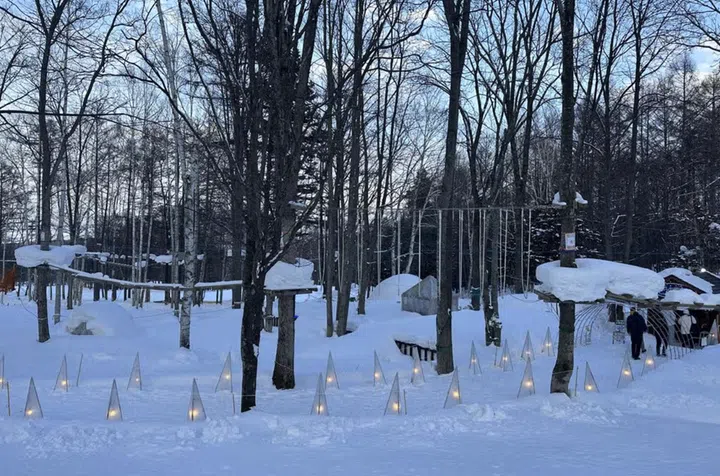
Kan Kan Mura in Furano. Credit: Karen Fong
Whether you’re into skiing or soaking up Japan’s springtime beauty, Furano offers something for every season. Skip the crowds in Niseko (a popular pick for Singaporeans) or Hakuba and head instead to this charming town, just a two-hour drive from New Chitose Airport in Sapporo.
As the agricultural hub of Japan, Furano is known for its delicious produce—from creamy milk to incredibly flavourful potatoes. In winter, you’ll get the same quality powder snow as Niseko without the tourist crush. The two main ski slopes, Furano and Kitanomine, offer affordable yet excellent options for skiers and snowboarders. For even quieter runs, head to Minami Furano, a hidden gem just 30 minutes away that’s rarely frequented by foreigners. You can also enjoy ice fishing, snowshoe trekking, dog sledding, and even hot air ballooning—when agricultural fields transform into balloon landing zones.
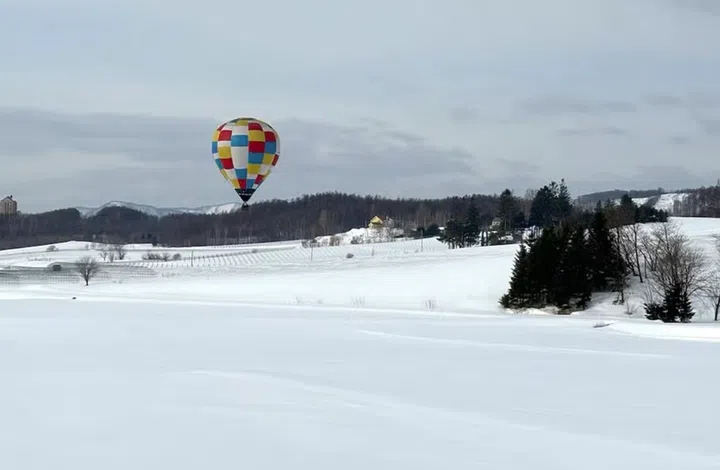
Hot air balloon experience in Furano. Credit: Nozo Hotel
In spring and summer, Furano bursts into colour with flower fields and lush green trails. Rent a bike and explore picturesque spots like Lake Kanayama Forest Park, where you can kayak and enjoy nature walks.
The easiest way to explore Furano is by self-driving, but hotels often offer car transfers and bike rentals. Nozo Hotel—the area’s first international boutique hotel—features English-speaking staff and can help arrange activities and transport. The hotel has a range of rooms from queen beds to family-friendly bunk setups, plus its own in-house bath and gym.
2. Tottori Prefecture
For an adventure in the sand dunes
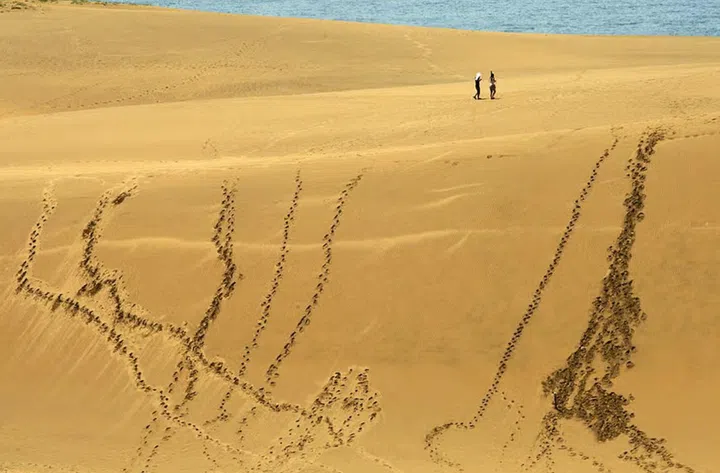
Credit: Getty Images
As Japan’s least populated prefecture, Tottori promises solitude—and stunning sand dunes. These vast, wind-sculpted formations along the Sea of Japan have existed for more than 100,000 years and are easily accessed via a short bus ride from Tottori City, which you can reach by flight from Haneda or train from Tokyo or Osaka.
Visitors can hike the dunes, take in sweeping sea views, ride camels, try sandboarding, or even paraglide. A chairlift offers a relaxing ride to higher vantage points.
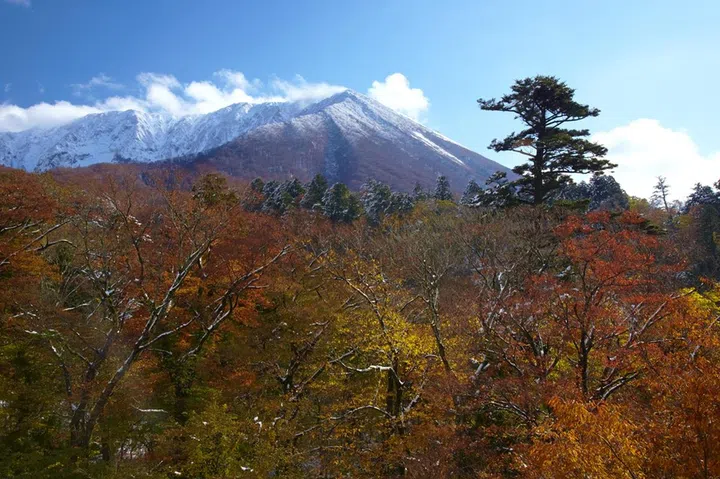
Japan, Tottori Prefecture, Mt Daisen. Credit: Noriyuki Araki/Moment/Getty Images
Beyond the dunes, Tottori has plenty more to explore. Mount Daisen is popular for hiking, and the nearby Nageire-dō Hall — dubbed “Japan’s most dangerous National Treasure”—is a dramatic temple built into the cliff face of Mount Mitoku. After a day of adventure, soak in one of the region’s many onsen to unwind.
3. Mie Prefecture
For sacred shrines and speed thrills
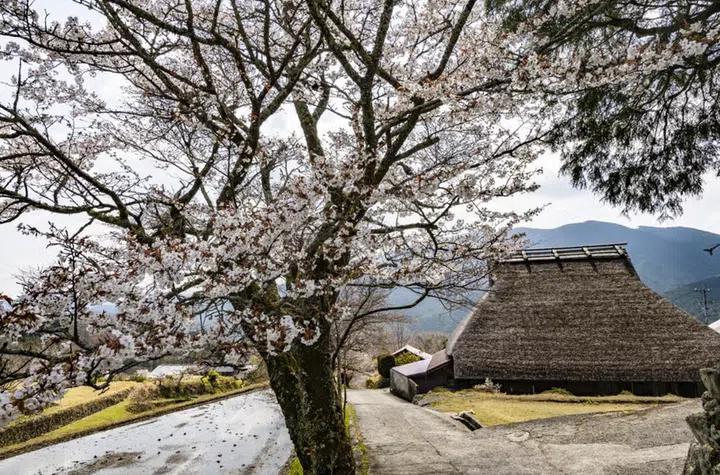
Credit: Getty Images
South of Osaka lies Mie Prefecture, home to Japan’s holiest shrine and the world-famous Suzuka Circuit F1 racetrack. While it’s been promoting tourism more actively (so expect a few fellow Singaporeans), it’s still a peaceful alternative to Tokyo or Osaka. Easily accessible from Osaka, Kyoto, or Nagano, Mie is about a 2.5-hour train ride away.
Steeped in spirituality, Mie’s Ise-Jingū shrine is revered in Japanese mythology as the keeper of the sacred mirror that coaxed the sun goddess Amaterasu out of hiding. From here, active travellers can take on the Kumano Kodo Iseji trail—a stunning 170km route that links Ise-Jingū to the Kumano Sanzan, a trio of sacred shrines. The trail passes cliffsides, ancient routes, and scenic rice terraces like Maruyama Senmaida.
For speed lovers and families, Suzuka Circuit Park is a must. It’s one of the few F1 tracks you can actually drive on. Kids can join the action too with electric cars, go-karts, and more in a safe, fun setting.
4. Matsumoto, Nagano Prefecture
For snow walls and samurai trails
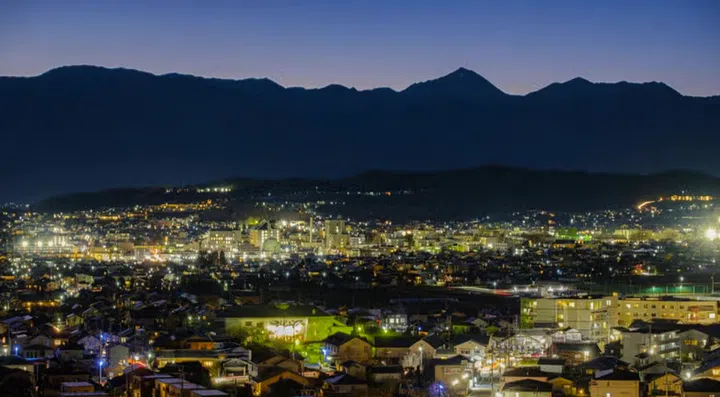
Credit: Getty Images
Matsumoto, Nagano’s second-largest city, is a perfect gateway to the Japanese Alps. From here, travellers can access the spectacular Tateyama Kurobe Alpine Route—a one-of-a-kind journey through the Northern Alps via cable cars, ropeways, electric buses, and on foot. The highlight? Walking beside 20-metre-high snow walls (open from April to November).
For something off-the-beaten-path, the Shio-no-Michi (Salt Road) tour by Walk Japan offers a nine-day trek along ancient trade routes once used by merchants. This exclusive hike winds through valleys and quiet mountain villages from Matsumoto to Itoigawa in Niigata. Along the way, enjoy hot springs, traditional inns, and regional cuisine. The best months for this hike are May–June and September–November.
Within Matsumoto, explore samurai culture at Matsumoto Castle, take soba-making classes, or go rafting on Lake Azusa. Art lovers should visit the Matsumoto City Museum of Art, home to works by famed local artist Yayoi Kusama.
5. Kunisaki Peninsula
For sacred trails and serene countryside
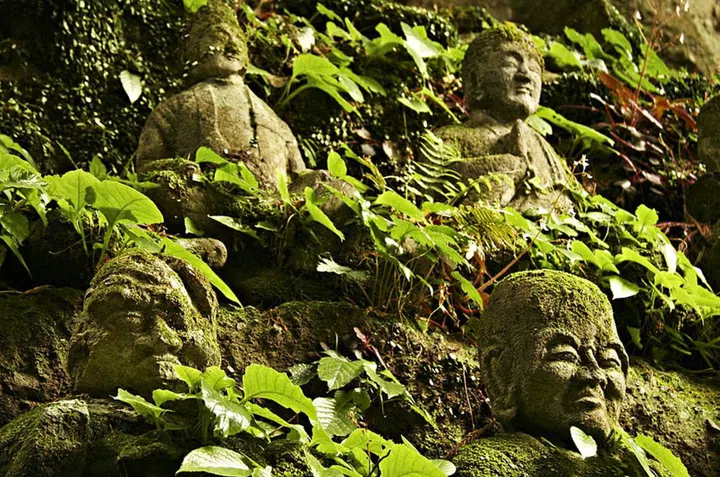
Credit: Getty Images
Lesser-known than Fukuoka or Beppu, the Kunisaki Peninsula in northern Kyushu is a peaceful escape where tradition and nature collide. Once a hub for powerful religious institutions, the region still retains its spiritual aura with scattered temples, shrines, and rustic ryokans. Walk Japan’s Kunisaki Tour is a 10-day journey starting from Nakatsu and ending in Yufuin, a charming hot spring town nestled under Mount Yufudake, an extinct volcano.
Yufuin deserves a few days on its own. It’s compact enough to explore on foot, with highlights including Lake Kinrinko, quirky cafés, and the whimsical Yufuin Floral Village—a mini theme park styled after English villages, complete with a mini farm, owl zoo, and cat café.
Reach Kunisaki via Fukuoka or Oita Airport (rebranded as “Oita Hello Kitty Airport” for the 2025 Osaka Expo). Bonus: There’s a free footbath at the airport—a fitting tribute to Oita’s fame for hot springs. Beppu is also a convenient jumping-off point by train or bus.
This article was originally published on Her World.