I Want To Be Present For My Wife And Child
Xander Ong, CEO of Centre for Fathering, took a year off work to be a full-time husband and father
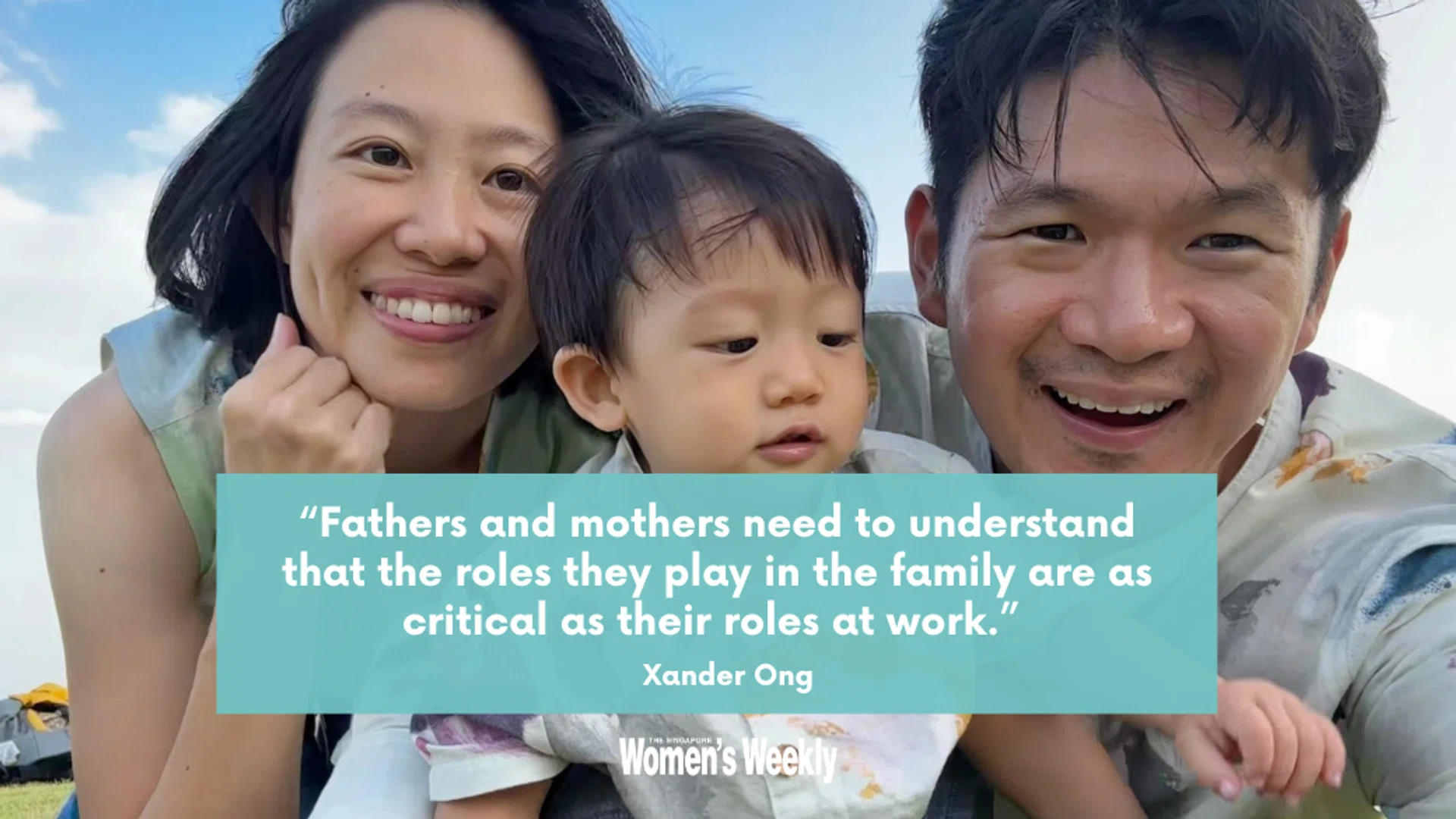
Share this article
What does it look like to have gender equality at home? CEO of Centre for Fathering Xander Ong explains how modern dads can pull their weight in domestic matters – and why it’s important to them.
When men rise up as fathers, mothers and women are empowered. This is a key lesson I’ve learnt since becoming CEO of Centre for Fathering (CFF). It is a non-profit organisation which aims to turn the hearts of fathers and children towards each other.
When a father becomes more engaged with his family and children, the burden of caregiving doesn't solely fall on his wife. It's crucial a new father understands that his role involves not only supporting his wife but also nurturing his child. Loving my wife goes beyond merely spending time with her. It's about forming an emotional bond and understanding each other's feelings and needs.
When fathers become more involved in parenting and household responsibilities, mothers are released to pursue their careers aspirations and personal interests without sacrificing their family responsibilities.
Gender equality evolves with generations
My view of gender equality is that every individual should be respected and appreciated, regardless of gender. The concept of gender equality is evolving from generation to generation. Children observe and learn from their parents' interactions, and this shapes their perceptions of relationships. Therefore, it is vital for me to demonstrate love and respect towards my wife because my son watches and learns.
CFF is focused on supporting both fathers and mothers in their roles. Our mission is to transform Singapore into a nation that is Made For Families. But we cannot do it alone. It requires the effort of an entire ecosystem, and we want to collaborate with the government, communities and businesses to do so.
I got acquainted with CFF as a participant at an ICAN Fathering workshop. It was 2023 and I was a new dad. I had earlier resigned from my job in eldercare to spend time to build the foundations of my marriage. When they were looking for a new CEO, I took up the challenge because I felt a strong congruence between my beliefs and CFF’s mission to strengthen families.
I’ve always believed the family is the basic building block of our society. After my son arrived, it became even more apparent to me the effort required to build a family and to raise a child. I figured that, to impact other families, we need to start with changing Singapore’s work culture.
For example, fathers whose children were born or adopted after 1 Jan 2024 are eligible for four weeks of government-paid paternity leave. Clearly, we need organisations to come onboard to support the narrative so that fathers can be present for their families in the early days of his child’s life. Fathers, too, must also be convinced that spending more time with the family during this period is important and meaningful.
My wife and I got married in January 2022. I was working in eldercare during Covid, Often I found myself too busy, tired and stressed out to be present for her.
How do we create a more caring and inclusive Singapore?
Building strong families is a good way, says CEO of the Centre for Fathering Xander Ong. Here, he also explains what the Ministry of Social and Family Development’s initiative titled “Better Starts with Us” means to him.
“It is a reminder that building a caring and connected Singapore begins in our homes and everyday relationships. As parents, we not only shape our children’s future, but also the kind of society they will grow up in. It means choosing to be present, intentional and supportive, whether that is making time for family meals, being involved in our children’s lives, or supporting one another as parents. Strong families do not happen by chance; they are built through small, consistent acts of care and connection. The campaign also reflects an important truth: raising children and strengthening families cannot be done by parents alone. It takes all of us - families, workplaces, communities, and society, to create an environment where families feel supported and where children can thrive.”
Watch this video to learn what drives Xander’s mission.
When we realised that our marriage wasn’t working, I decided to take a year off to be a full-time husband and father. This was to allow us to rest, connect with each other, and focus on building our marriage. Throughout that year, there were many changes in our family situation and adjustment periods. One of them was discovering that my wife was expecting. Another was renovations for our new flat. Even at this point, we are not quite done with the renovations!

I want to be present for my wife and child. By that, it means to be connected - especially emotionally. I try to listen actively; I want to be able to understand her.
Every day, my wife and I would set aside time to reflect and pray for each other. As we share the highlights of our day, I get to listen to her inner world, and offer encouragement and support when she is going through tough times.
I also give my wife a heads-up about my schedule for the week ahead, particularly if I’m working on something stressful and cannot spend as much time with her and our child. I believe in keeping communication open and authentic.
It takes a child to raise a village
A child’s perception of his or her father is important. How can we get more children to see their dads as heroes? It goes back to being present.
Being present in the early years allowed me to build a strong bond with my son from the start. I’ve seen him grow up feeling secure, expressive and comfortable communicating his emotions and needs. The small everyday moments such as mealtimes, play, bedtime routines and taking walks really mattered. It also helped me understand his temperament and developmental needs much more deeply.
Research shows that early father involvement benefits children emotionally and socially, and I’ve personally experienced how presence and consistency can shape a child’s confidence and sense of security.
I also want my family to connect with other families; I want to build a community where families can grow together. So we've designed our new home to be a communal space; this is where our friends and their kids can pop in to work and play comfortably. We’ve even removed walls to create a larger space for the community to gather.
We always thought that it takes a village to raise a child. But I recently learnt that the opposite holds true as well: it takes a child to raise a village.
Community support matters because parents need the support of a village around them. Through DADs for Life and MUMs for Life, we create peer networks where parents can support one another, learn from shared experiences, and grow in confidence together.
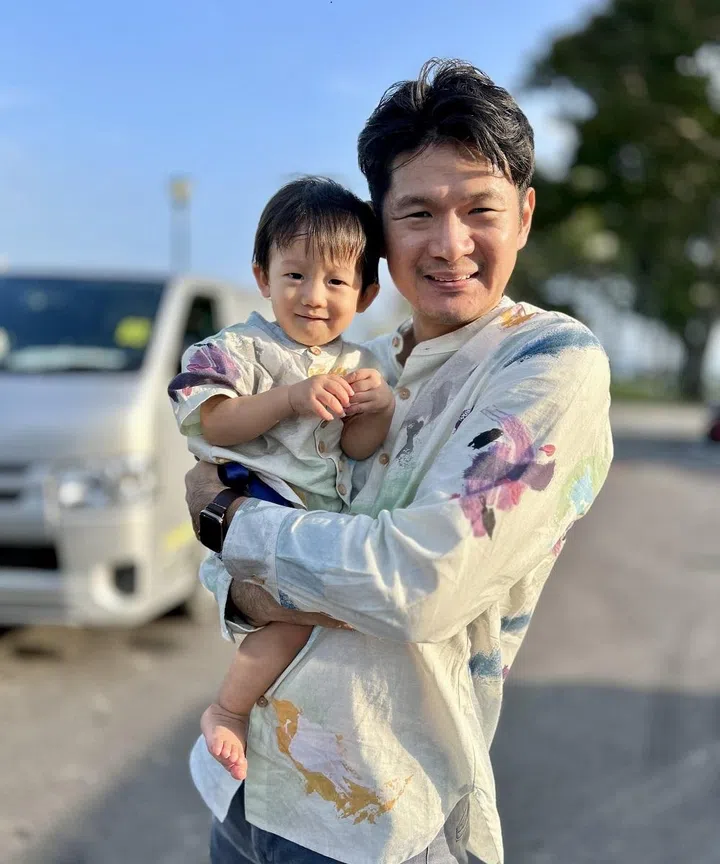
My son’s arrival has strengthened our bond with my parents, whom we live with now. My mum chips in with caregiving duties, while my dad - he hardly carried me as a baby - carries my son every opportunity he gets. It’s the first time I have seen consistent physical affection from him.
Today, we are seeing more fathers wanting to be involved beyond the traditional breadwinner or disciplinarian roles. More dads are participating in caregiving, school involvement, and daily routines with their children.
There is a changing societal mindset that parenting is a shared responsibility, and fathers are partners to their wives in raising their children. Today’s fathers are more intentional about being emotionally present and building strong relationships with their children.
I constantly reflect on who I am and the person I aspire to be for my wife and son.

I’m willing to take more risks now, especially in terms of being vulnerable.
Starting a family can be daunting
Why is it challenging for individuals to pursue marriage and start a family in Singapore? One of the reasons is because we have been brought up to prioritise survival and contribute to the economy. Success is often associated with career achievements and financial gains rather than parenthood.
Marriage is a union which fuses two separate identities into one family identity. When a child enters the picture, the parents’ preconceived notions of personal identity are challenged. This transformation can be daunting, especially when individuals lack a clear understanding of the critical roles they play as fathers or mothers.
At CFF, we want to change the narrative within families.
This is a crucial step to ensure our children will grow up in strong families.
While it may take generations to see the culture of our nation truly transformed, we understand that change must begin now - with our own families and the community we live in.
One of the biggest areas that needs to change is workplace culture. Many fathers today want to be actively involved in caregiving but still worry about how taking paternity leave or requesting flexible work arrangements will be perceived. In some workplaces, long hours are still seen as a sign of commitment, which makes fathers hesitant to prioritise family openly.
To truly support families, we need workplaces where caregiving is normalised for both men and women. This means leaders setting the tone by openly taking leave themselves, managers encouraging employees to use family-friendly arrangements without penalty, and organisations moving beyond policies on paper to building cultures where parents feel genuinely supported. Flexible work arrangements, family care leave, and clear parental leave practices should not be viewed as special privileges, but as part of building sustainable and healthy workplaces.
At Centre for Fathering, we work closely with organisations through initiatives like the Great Companies for Dads Awards, Eat With Your Family Day, and parenting programmes to create a family-friendly culture. When employers support fathers in being present at home, the benefits extend beyond the family. Employee well-being, loyalty and workplace morale will improve and in turn, this benefits businesses.
When families are supported by policy, workplaces, and the wider community, we can build a more connected and resilient Singapore which is truly made for families.
Xander Ong is the CEO of Centre for Fathering. It is behind DADs for Life, a nationwide movement that seeks to inspire and mobilise fathers to become more involved with and a good influence to their children for life; and MUMS for Life, which celebrates a mother's unique identity as a woman and her roles as daughter, wife and mother.
This story was first published on 22 Mar 2024 and updated on 28 May 2026. It is in support of the Better Starts with Us campaign, which aims to encourage Singaporeans to build a more caring and connected society together. Learn more at go.gov.sg/BetterStartsWithUs.
In partnership with the Ministry of Social and Family Development