Raising Birth Rates Is One Thing. Raising Children Is Another.
Singapore wants more babies. But raising them? That’s where things get complicated.
By Jill Lim -

Share this article
The topic of the moment seems to be our ever-declining birth rate. Singapore’s total fertility rate plummeted to an all-time low of 0.87 in 2025, fuelling a new wave of discourse.
The proposed solutions? Longer preschool hours, higher grant ceilings — and of course, more grants. Because when in doubt… more grants.
Meanwhile, grandparents seem to have more holistic solutions. They are willing to rearrange schedules, cut down on social lives, even retire early just to spend time with the little ones.
When it comes to boosting birth rates, the most enthusiastic “policy makers” might already be at home.
That’s not to say children are anyone else’s responsibility but the parents’.
Hi, I’m Jill. You might remember me from Two Tired Mums, where I once complained about not getting much help from my parents and sister while travelling with my then three-year-old and four-month-old.
I’m not trying to skirt responsibility. I am making a plea that raising children is a team sport. Right now, too many parents feel like they’re playing it alone.
The reality of raising children
I went through two challenging pregnancies, followed by a difficult breastfeeding journey and a chaotic recovery. I did it all with no regrets. Having children was always my goal.
But life now looks very different.
I work a full-time job that requires me to be in the office five days a week, from 9am to 6.30pm.
Who takes care of my children while I’m at work? Their grandparents. My helper. Their preschool teachers.
On average, I spend two hours a day with my kids.

That’s not an unfamiliar story for many Singaporean parents.
“You can’t have it all,” they say.
More than just a starting bonus
Our government has made a valiant effort to raise birth rates. But the real cost of pregnancy and recovery goes far beyond the financial.
Families today are more informed. We see how countries like Sweden offer parents 480 days (16 months) of paid parental leave, or how Canada offers up to 69 weeks (17 months) of shared parental leave — separately from maternity leave — so the load doesn’t fall entirely on mothers.
So while the increase in parental leave (10 weeks of shared parental leave from April 1, 2026) is appreciated, it’s not enough.
We can’t encourage people to have children while also expecting them to work into their late 60s. Something has to give.
And yes, some families can afford helpers. But with shrinking BTO sizes and rising costs, space — both physical and emotional — is becoming a luxury.
What do families actually need?
1. Flexible work hours
Before I get labelled a “spoilt millennial” who just wants to work from home… let me just say that I don’t.
Working from home with a toddler demanding attention is far more stressful.
What I want is flexibility.
Not every job can be done remotely, but many can be done more flexibly. Give employees autonomy over their time and output. No one manages time better than a mother.
Instead of creating roles like “director of good vibes and deep breaths” (and yet another candle-making workshop), maybe invest in real flexibility.
2. Practical, affordable transport
While one can argue that with Singapore’s efficient and affordable public transport system, a family does not truly need a car, the reality tells a different story. Just try navigating the bus or MRT with a baby and a toddler during nap time, in the heat.
The alternative for families with babies? An exorbitant taxi ride, if you are so lucky to be able to book a taxi on the CDG Zip app.
How about giving families with young children grants to rent or buy second-hand cars? The grant can be reduced annually after the eldest child starts primary school.
3. Workplace understanding
When my older child fell ill and passed Influenza A to the rest of us, I was out of work for nearly a month.
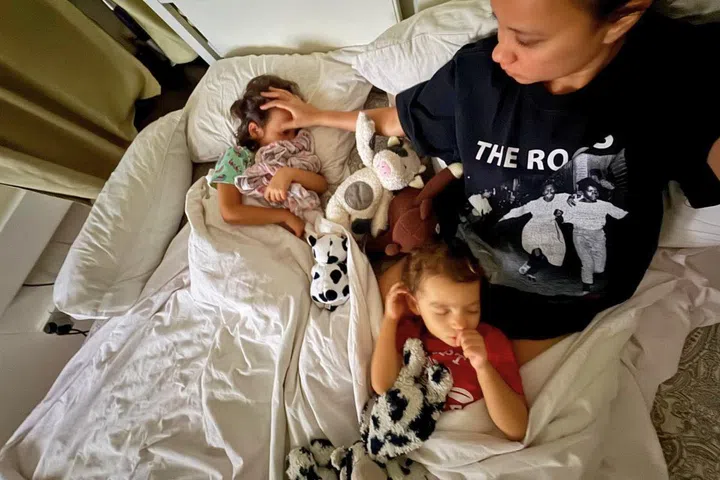
Leave and insurance covered the logistics. But I returned exhausted — to a backlog of work, and a quiet, unmistakable resentment from coworkers.
The unspoken: “Because she has kids, we have to pick up the slack.”
But illness isn’t exclusive to parents.
There should be systems in place so work doesn’t simply pile up on one person. And in roles where that’s unavoidable, the least we can do is pause new work to allow them to catch up, instead of expecting them to sprint the moment they return.
The tension surfaces again during peak periods like Christmas or New Year, when I try to take leave to be with my children.
“We all have families too,” they say. “I want to spend time with my dog.”
I get it. Everyone deserves time off.
The solution isn’t to compete over whose time matters more, but to give employees more autonomy.
If someone doesn’t celebrate a holiday and is willing to cover, that should be enough — whether they have children or not. And if they’ve covered one year, they shouldn’t be expected to do it again the next.
Because fairness shouldn’t depend on whether you’re a parent.
4. A more family-friendly culture
This might sound trivial, but it matters.
Kids’ meals that go beyond nuggets and fries. Restaurants that don’t automatically seat families in a corner like an afterthought. Spaces that genuinely welcome children.
In countries with similarly low birth rates like Japan or Korea, people often light up when they see a baby. In places like Thailand or the Philippines, strangers instinctively step in to help.
Here, it can sometimes feel like the opposite.
You get eye rolls when your child is a little too loud. But you’re also judged if you hand them a screen to keep them quiet.
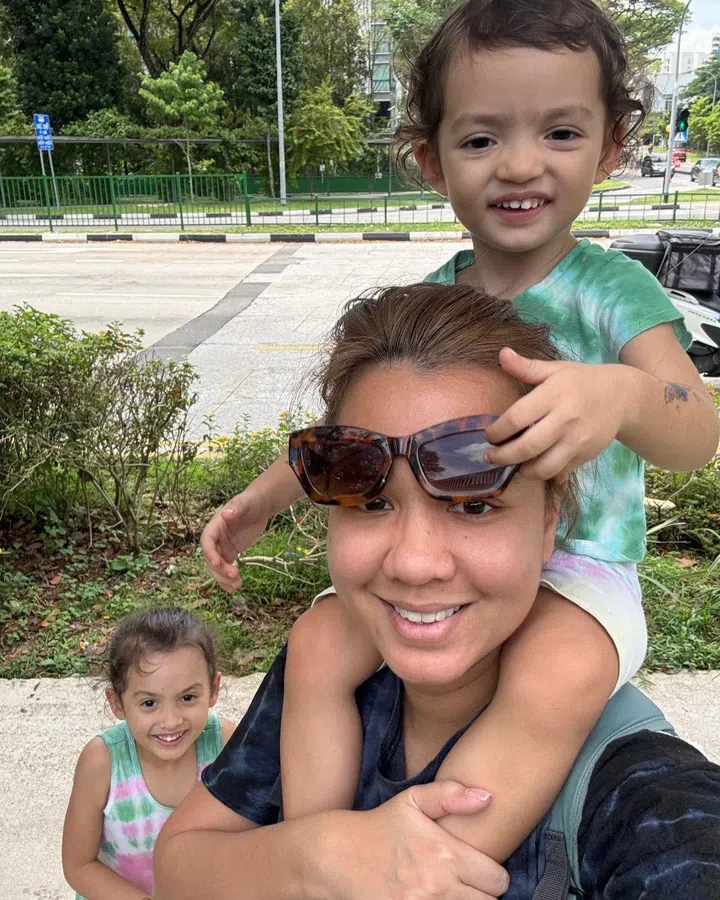
What we need is a reset in expectations.
Children will talk. They will cry. They will have off days.
Yes, it’s on parents to step in, soothe, and remove their child if needed.
But it’s also on the rest of us to give a little grace.
Because building a family-friendly society isn’t just about policies. It’s about how we show up for one another, in small, everyday moments.
It’s less about the money, more about the mindset
At the end of the day, it’s not just about the starting line — it’s about the finish line.
What are we really offering families?
Throwing money at the problem isn’t enough.
Imagine a Singapore where:
- Childcare centres are integrated into workplaces, easing the daily juggle of drop-offs and pick-ups
- Work hours are more family-friendly, so parents can spend meaningful time with their children before bedtime
- Parents aren’t penalised for tending to their children during emergencies
- Sick leave is treated with compassion — because being ill while caring for a sick child (or two) is far more exhausting
- Transport options are more accessible for families with young children
- Children are genuinely welcomed in public spaces, not merely tolerated
Yes, some of this may sound idealistic.
But at its core, this isn’t just about policies. It’s about attitude.

Kids shouldn’t be a handful. They should be part of the picture.
Only then might more people look around and think: “I could raise a family here.”
Jill Lim is the perpetually exhausted mother of two girls and an adopted dog. Dark humour and cynicism are her love language. Like and subscribe at @killjilllll.